NFTs Are Not Just for Art! — The Ultimate Beginner’s Guide to Their Expanding Utility
The world of digital ownership has taken a dramatic turn over the last few years. While most beginners were first introduced to NFTs through colorful artwork and viral collections, the truth is much broader—and far more exciting. NFTs Are Not Just for Art! Their value now spans industries like gaming, real estate, music, identity verification, and business operations.
This comprehensive guide breaks down how NFTs function, why they matter, and how they’re shaping the next era of digital and physical ownership. If you’re new to NFTs, this article is crafted specifically with beginners in mind—formal, clear, and incredibly approachable.
Understanding What NFTs Are (A Beginner-Friendly Explanation)
Non-Fungible Tokens, commonly known as NFTs, represent unique digital assets stored securely on a blockchain. Unlike cryptocurrencies such as Bitcoin or Ethereum, NFTs are not interchangeable. Each NFT carries its own identity, metadata, and ownership record, making it distinct from all others.
NFTs became widely known in 2020–2021 due to the digital art boom. However, the underlying technology has evolved far beyond images and collectibles. Today, NFTs power real-world solutions that impact entertainment, property ownership, business systems, and identity management.
How NFTs Work on the Blockchain
At the core of NFT technology is the blockchain, a decentralized digital ledger that records transactions across thousands of computers. Each NFT is minted—or created—through a smart contract that assigns it a unique token ID. This ID cannot be altered or duplicated, ensuring the digital item remains one-of-a-kind.
When you buy an NFT, the transaction is permanently recorded on the blockchain. This provides transparent ownership, meaning anyone can verify who owns the NFT at any time. Unlike traditional digital files that can be copied endlessly, NFTs contain cryptographic proof of ownership, making them ideal for managing digital and physical assets.
Key Terms Beginners Must Know
To comfortably understand NFTs, beginners should learn these essential terms:
-
Blockchain: A decentralized system that records and verifies all NFT transactions.
-
Smart Contract: A self-executing digital agreement that manages NFT rules and ownership transfers.
-
Minting: The process of creating a new NFT on the blockchain.
-
Wallet: A secure digital tool used to store your NFTs and crypto.
-
Marketplace: Platforms like OpenSea or Magic Eden where NFTs are bought and sold.
-
Metadata: Information attached to an NFT that explains what it represents.
With these terms understood, the world of NFTs becomes much clearer.
The Evolution of NFTs Beyond Digital Art
NFTs have undergone one of the most significant technological evolutions in recent years. While art ignited public interest, industries quickly recognized the potential of NFTs to solve long-standing problems related to authenticity, ownership, and digital value transfer.
Early Popularity Phase: The Art Boom
The NFT boom began with digital artwork that could be authenticated and owned uniquely. Collections like CryptoPunks and Bored Ape Yacht Club became famous not just for their art but also for their exclusivity. This early phase shaped public perception—leading many to believe NFTs exist only for art.
However, the underlying blockchain capability hinted at potential far beyond visual images.
Current Phase: Utility-Driven NFTs
Today, NFTs are transitioning into the Utility Phase, where their purpose extends into real-world applications:
-
Digital game assets
-
Virtual land
-
Real estate tokenization
-
Identity verification
-
Educational certifications
-
Supply chain tracking
-
Ticketing and memberships
This is why experts emphasize that NFTs Are Not Just for Art! Their ability to secure ownership and automate contracts makes them extremely valuable across industries.
Real-World Use Cases Proving NFTs Are Not Just for Art!
Below are the most powerful examples showing how NFTs have expanded beyond traditional digital artwork, becoming tools for real-world transformation.
NFTs in Gaming and Virtual Worlds
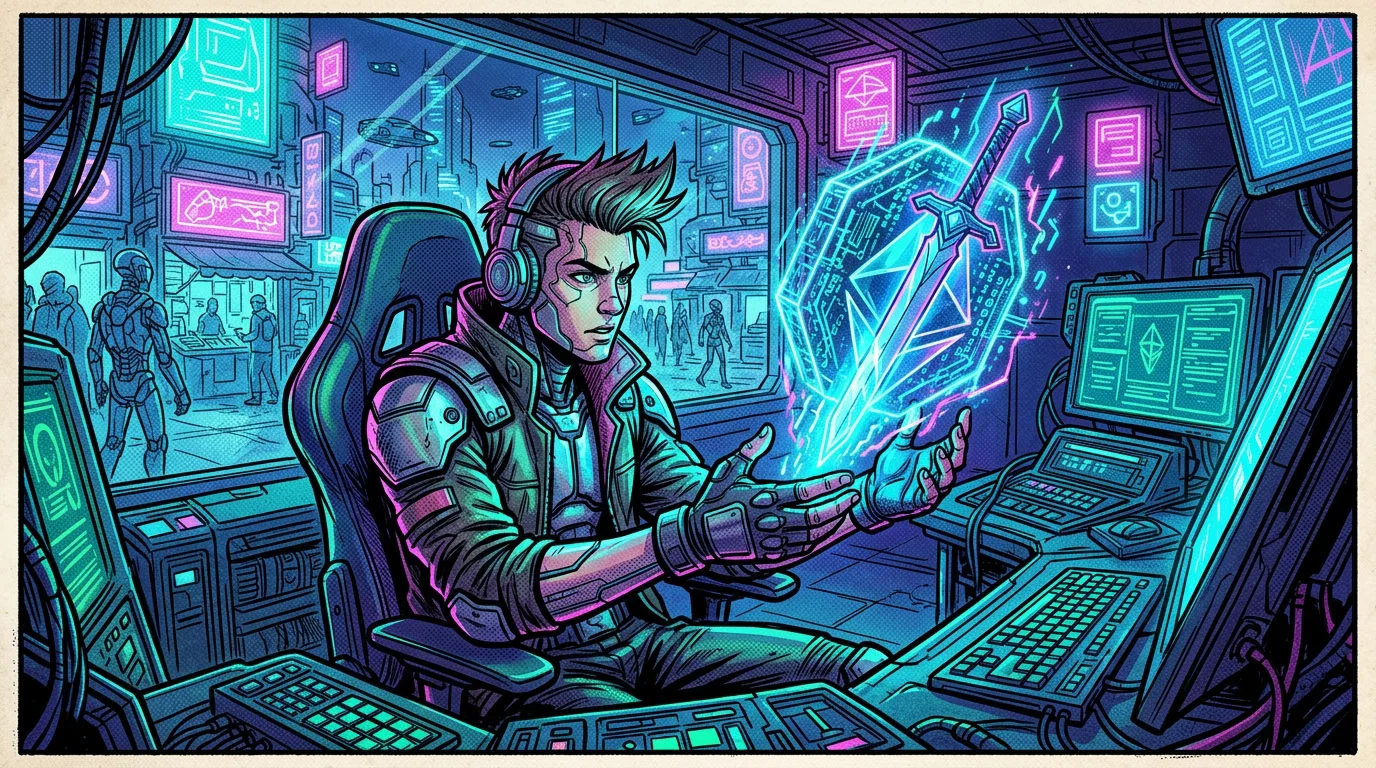
The gaming industry has embraced NFTs faster than almost any other sector. NFTs allow players to own in-game items permanently instead of renting them from a developer.
Play-to-Earn and Digital Asset Ownership
In many modern games:
-
Characters
-
Weapons
-
Skins
-
Virtual land
…are sold as NFTs, giving players true ownership. If a player stops playing a game, they can sell their assets to someone else—something impossible in traditional gaming.
Interoperable Gaming Assets
NFT technology also enables items to be used across different games or virtual worlds. This opens the door to a more interconnected digital ecosystem where your digital identity and assets travel with you.
NFTs in Music, Film, and Entertainment
Musicians, filmmakers, and content creators now use NFTs to connect directly with their audiences without relying solely on traditional platforms or publishers.
Fan Engagement and Exclusive Ownership
Artists can offer:
-
Exclusive tracks
-
VIP passes
-
Limited-access content
-
Special edition merchandise
…all powered by NFTs. This enhances fan loyalty and gives creators more direct revenue.
Smart Contracts in Royalty Distribution
With NFTs, creators can receive royalties automatically every time an NFT is resold. Smart contracts ensure transparency and eliminate complex legal processes.
NFTs for Real Estate (Physical + Digital)
Real estate tokenization is one of the most promising NFT applications.
Tokenized Ownership
Physical property can be represented as an NFT to verify ownership. This reduces paperwork, fraud risk, and administrative overhead.
Fractional Property Rights
NFTs allow investors to own fractions of a property, lowering the barrier to entry for real estate investment.
NFTs in Fashion and Luxury Brands
High-end brands now use NFTs to authenticate products and fight counterfeits.
Authentication and Anti-Counterfeit Utility
A luxury bag paired with an NFT certificate ensures buyers are receiving genuine products. This also strengthens second-hand resale markets.
Phygital Integration (Physical + Digital Goods)
Many brands now offer paired products:
-
A physical item
-
A digital collectible NFT version
This creates a deeper, integrated customer experience.
NFTs for Identity, Education, and Certifications
This is one of the fastest-growing NFT use cases.
Digital Diplomas and Skills Badges
Universities and online learning platforms are issuing NFT diplomas and certificates. These cannot be forged and can be instantly verified by employers.
Secure Identity Verification
NFT-based identity systems help individuals maintain full control of their personal data without relying on centralized databases.
NFTs in Sports and Fan Engagement
Sports organizations use NFTs to create a digital fan economy.
Tickets, Memorabilia, and Exclusive Fan Access
NFT tickets reduce fraud and allow teams to add exclusive digital perks like behind-the-scenes content.
Tokenized Athlete Contracts
Some athletes tokenize parts of their future earnings, allowing fans to invest directly in their career growth.
How Businesses Are Adopting NFTs Across Industries
NFTs are no longer limited to creators or collectors. Businesses of all types—retail, technology, entertainment, health, and even finance—are integrating NFT technology to improve efficiency and create new revenue models. This adoption signals a major shift toward digital-first operations where ownership and authentication matter more than ever.
Corporate Loyalty Programs
Modern loyalty programs increasingly rely on NFTs to offer personalized customer rewards. Instead of generic point systems, companies provide NFT-based loyalty tokens that grant:
-
Exclusive discounts
-
Early product access
-
Member-only experiences
-
Tiered reward structures
Because NFTs are stored on the blockchain, customers have full transparency and control over their membership status.
Supply Chain Transparency
Businesses use NFTs to track the lifecycle of a product—from manufacturing to delivery. When each product receives a unique NFT, organizations can verify:
-
Authenticity
-
Manufacturing date
-
Materials used
-
Ownership changes
-
Transport steps
This level of traceability reduces fraud, ensures ethical sourcing, and improves quality control.
Membership Access Tokens
NFTs also serve as modern “membership cards.” Businesses issue NFT-based passes that unlock:
-
Community access
-
Private events
-
Online courses
-
Premium product tiers
Unlike traditional memberships, NFT passes can be resold, adding value for customers and creating a healthier digital ecosystem.
Why NFTs Are Not Just for Art! (Benefits Explained Simply)
You now understand that NFTs Are Not Just for Art! But what makes them so valuable across industries? Below are the core benefits that make NFTs a transformative technology for real-world and digital assets.
Transparency and Immutable Ownership
Every NFT transaction is permanently recorded on the blockchain. This means:
-
No hidden changes
-
No tampering
-
No fake copies
Anyone can verify an asset’s authenticity with a single click. This transparency is a major reason why businesses trust NFT technology.
Smart Automation via Smart Contracts
Smart contracts allow automatic actions based on predefined rules. Examples include:
-
Automatic royalty payments
-
Instant transfer of ownership
-
Built-in access permissions
This reduces paperwork, minimizes fraud, and simplifies complex processes.
Fractionalization and Accessibility
One of the strongest advantages of NFTs is fractional ownership. This means:
-
A piece of real estate
-
A rare collectible
-
A luxury item
…can be divided into smaller portions represented by NFTs.
Fractionalization empowers beginners to invest in assets previously accessible only to wealthy individuals.
Risks, Challenges, and Misconceptions
While NFTs offer powerful benefits, beginners must also be aware of challenges and myths surrounding the technology.
Common Myths About NFTs
Some widespread misconceptions include:
-
“NFTs are just JPEGs.”
In reality, NFTs represent ownership, not the image itself. -
“NFTs have no real-world use.”
Proven false by gaming, real estate, education, and identity sectors. -
“NFTs are unsafe.”
The blockchain itself is secure; risks mainly occur from user errors.
Understanding these myths helps beginners make educated decisions.
Security and Wallet Safety for Beginners
Security is crucial when dealing with NFTs. Beginners should follow these steps:
-
Use trusted wallets (e.g., MetaMask or Ledger).
-
Never share your private keys.
-
Beware of phishing links.
-
Double-check smart contract details before signing.
This ensures safe participation in the NFT ecosystem.
Regulatory Considerations
NFT regulations vary by region. Some countries classify NFTs as:
-
Digital assets
-
Intellectual property
-
Investment instruments
Beginners should stay updated with local laws to avoid financial or legal issues.
How Beginners Can Safely Start Using NFTs
Entering the NFT world doesn’t require advanced technical skills. With the right steps, beginners can participate confidently.
Choosing a Wallet
A digital wallet stores your NFTs and crypto. Popular beginner-friendly options include:
-
MetaMask
-
Coinbase Wallet
-
Trust Wallet
-
Ledger (hardware wallet for advanced security)
Wallets help you sign transactions, buy NFTs, and manage your digital identity.
Selecting the Right Marketplace
Different NFTs thrive on different platforms. Examples include:
-
OpenSea: General marketplace for art, utility assets, and collectibles.
-
Magic Eden: Popular for Solana-based NFTs.
-
Rarible: Creator-friendly marketplace with customizable collections.
-
Nifty Gateway: Focused on curated premium artwork and brand collaborations.
Beginners should start with marketplaces that suit their interests.
Identifying Real Utility NFTs
Before purchasing, ask yourself:
-
Does this NFT provide real utility?
-
Does it offer access, rewards, or ownership benefits?
-
Does the project have a credible team?
-
Is the roadmap realistic?
Utility NFTs provide long-term value that goes beyond simple visuals.
Frequently Asked Questions
Conclusion — The Future of NFTs Extends Far Beyond Digital Art
The NFT revolution is just beginning. Once known primarily for artwork, NFTs now play a vital role in industries around the world. Their ability to authenticate ownership, automate contracts, enhance customer experiences, and secure identities proves that NFTs Are Not Just for Art!
As adoption grows, beginners who understand NFT fundamentals will be well-positioned to benefit from the future of digital ownership. For further learning, you can explore trusted educational resources like Investopedia
Discussion (0)
Join the conversation