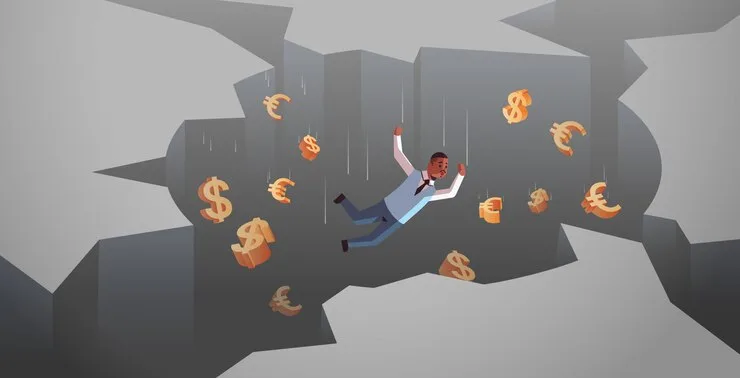
Common Mistakes in Storing Crypto: Essential Prevention Guide for Beginners
Cryptocurrency has grown from a niche investment to a worldwide financial movement. As more students and beginners enter the crypto world, understanding how to keep digital assets safe has never been more important. One of the biggest challenges new users face is avoiding Common Mistakes in Storing Crypto, many of which lead to irreversible losses. Because crypto operates differently from traditional banking, even small storage errors can have major consequences.
In this article, we explore the biggest risks beginners face, how to avoid storage mistakes, and the best methods to secure your digital wealth. Whether you’re holding Bitcoin, Ethereum, or any other digital asset, these lessons will help you stay safe and confident.
Understanding the Basics of Cryptocurrency Storage
How Crypto Wallets Work
Crypto wallets don’t store coins directly. Instead, they store private keys, which give you access to your blockchain assets. Think of private keys as a password that unlocks your digital vault. If someone else gets that key — they own your crypto.
Difference Between Hot Wallets and Cold Wallets
-
Hot Wallets: Connected to the internet, convenient but more vulnerable.
-
Cold Wallets: Offline devices like hardware wallets; harder for hackers to reach.
Beginners often misunderstand these differences, leading to the common mistakes we’ll explore below.
Why Proper Crypto Storage Matters for Long-Term Security
Real Risks of Poor Storage
Hackers are constantly evolving. Weak storage habits — such as using poor passwords or keeping keys on a cloud drive — increase the risk of theft.
Case Studies: Losses Due to Storage Errors
There are dozens of stories where users lost everything due to simple mistakes such as:
-
Throwing away a hard drive holding $100M worth of Bitcoin
-
Falling for phishing emails that mimic wallet providers
-
Losing seed phrases without backup
These real-world losses highlight why proper storage is crucial.
Most Common Mistakes in Storing Crypto
Using Weak or Reused Passwords
Many beginners underestimate hackers’ abilities. Weak or repeated passwords make wallets easy targets. Password-cracking software grows stronger every year.
Over-Relying on Exchange Wallets
Crypto exchanges are convenient, but they’re not safe for long-term storage. If the exchange is hacked, freezes withdrawals, or goes bankrupt, users may lose all assets.
Forgetting to Back Up Private Keys
A private key is the only way to access crypto. If you forget it or lose it, no company or support team can restore it.
Storing Seed Phrases Digitally
Keeping seed phrases in email inboxes, screenshots, or phone notes exposes them to potential malware and unauthorized access.
Falling for Phishing and Fake Wallet Apps
Scammers often create fake wallet apps that look identical to real ones. Once a user enters their key, the crypto disappears.
Ignoring Software Updates
Outdated software becomes weak over time. Developers push updates to fix vulnerabilities and improve security.
Failing to Use Hardware Wallets for Long-Term Holdings
Hardware wallets are one of the safest ways to store crypto offline. Beginners who skip them put their assets at unnecessary risk.
How Beginners Can Avoid These Storage Mistakes
Creating Strong, Unique Passwords
A strong password includes a mix of uppercase and lowercase letters, numbers, and symbols. Never reuse passwords across accounts.
Securely Storing Seed Phrases Offline
Use paper, metal storage plates, or physical notebooks — never digital files.
Enabling Multi-Factor Authentication (MFA)
MFA adds a second layer of security, making it much harder for hackers to access your accounts.
Using Multiple Wallets for Diversification
Splitting crypto across multiple wallets reduces the impact of one compromised account.
Best Practices for Safely Storing Crypto
Offline Storage Techniques
Paper wallets, hardware devices, metal backups, and air-gapped systems enhance protection.
Wallet Encryption Tips
Encrypting your wallet helps keep private keys safe even if someone accesses your device.
Importance of Routine Security Audits
Review your wallet security settings regularly. Update passwords and check device integrity.
Recommended Tools and Resources for Beginners
Trusted Hardware Wallet Brands
Examples include Ledger and Trezor.
Best Password Managers
Password managers like Bitwarden or 1Password help users maintain strong, unique passwords.
Useful Online Learning Resources
Beginners can explore reputable platforms like Investopedia for learning crypto basics.
External link: https://www.investopedia.com
Advanced Crypto Storage Techniques
Multisignature Wallets
These wallets require multiple approvals for transactions, adding another layer of protection.
Air-Gapped Devices
An air-gapped device has never been connected to the internet, making it practically impossible to hack remotely.
Using Fireproof and Waterproof Physical Storage
Storing seed phrases in metal plates protects them from fire, water, and physical deterioration.
Frequently Asked Questions
Conclusion and Final Thoughts
Proper crypto storage is not just important — it’s essential for long-term protection. Beginners and students entering the crypto space must recognize that mistakes are often irreversible. By understanding the most Common Mistakes in Storing Crypto and following best practices, anyone can safeguard their assets with confidence.
Taking small steps today — like improving passwords, buying a hardware wallet, or securely storing seed phrases — can protect your investments for years to come.



Discussion (0)
Join the conversation