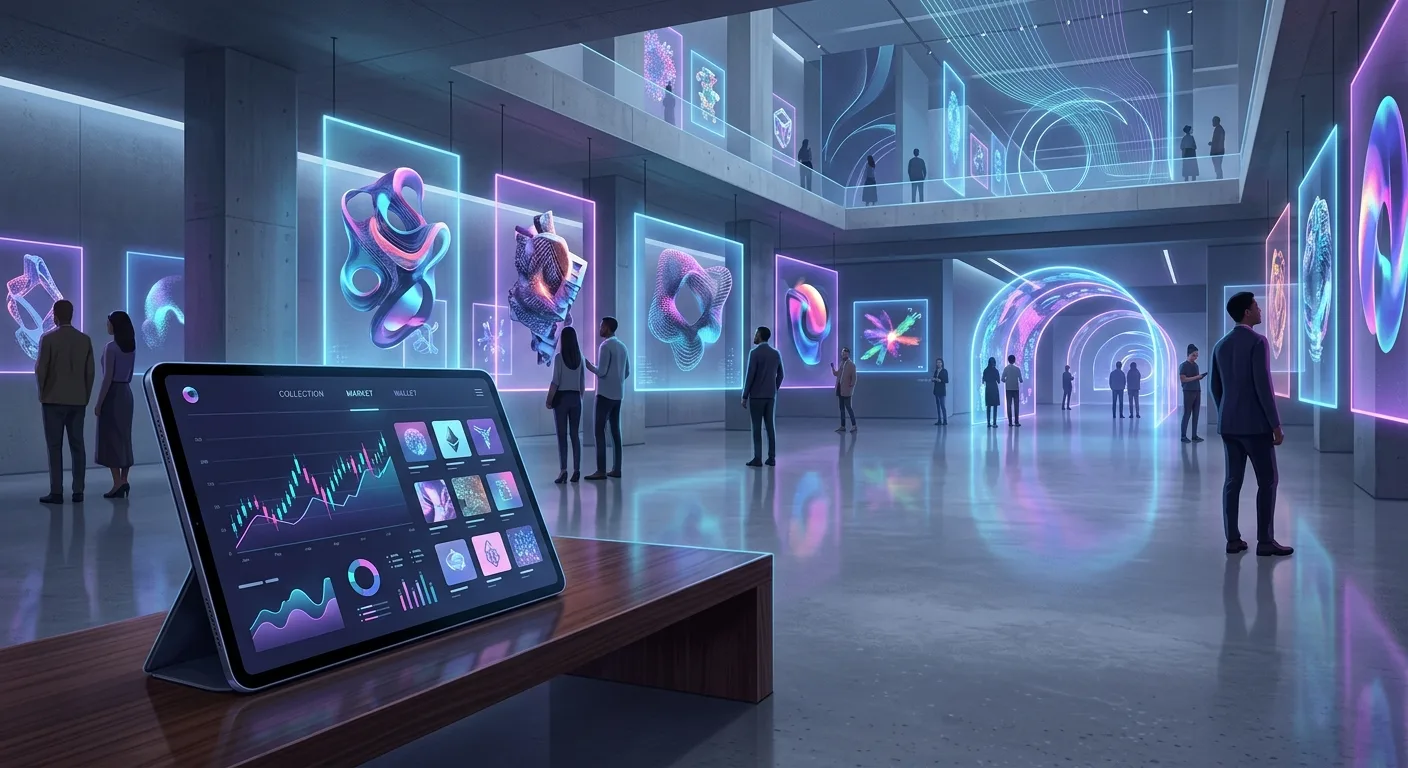
The digital asset revolution has fundamentally transformed how we perceive ownership, creativity, and value in the digital age. At the heart of this paradigm shift are the top NFT marketplaces, serving as the virtual trading floors where creators, collectors, and Web3 enthusiasts converge.
Introduction to the NFT Marketplace Landscape
In their earliest iterations, non-fungible token (NFT) platforms were simple, single-chain directories primarily focused on Ethereum-based digital art. Today, the landscape is highly sophisticated, characterized by multi-chain interoperability, specialized curation, and advanced trading features. These marketplaces act as intermediaries that handle minting—the process of publishing a unique token on the blockchain—smart contract execution, and decentralized custody during transactions.
Understanding this diverse ecosystem is crucial for anyone looking to navigate Web3. Whether you are a digital artist seeking to monetize your work or a collector hunting for utility-backed tokens, the choice of platform dictates your transaction fees, audience reach, and security protocols. As the technology matures, platforms are increasingly diversifying to support alternative blockchains like Solana and Polygon, offering faster transaction speeds and lower network costs.
Key Factors to Consider When Choosing an NFT Platform
Selecting the right ecosystem depends heavily on your specific goals as a collector, investor, or creator. With numerous top NFT marketplaces operating across Web3, evaluating a few fundamental criteria will help you optimize transaction costs, security, and asset liquidity.
- Supported Blockchains and Gas Fees: The underlying network dictates transaction speeds and network costs (gas). While Ethereum hosts the highest-value collections, alternative blockchains like Solana, Polygon, and Tezos offer micro-centric, low-cost options ideal for frequent trading.
- Marketplace Fees and Royalty Policies: Platforms typically charge a service fee ranging from 0% to 2.5% per trade. Additionally, creators must review how a venue enforces secondary sales royalties, as policy changes across the industry directly impact ongoing creator revenue.
- Wallet Compatibility and User Experience: Ensure the venue seamlessly integrates with popular non-custodial wallets such as MetaMask, Phantom, or Coinbase Wallet. An intuitive interface with real-time analytics simplifies tracking collection floors and transaction histories.
- Security, Liquidity, and Reputation: High trading volume generally indicates deep liquidity, making it easier to enter or exit positions. Choose platforms with verified collection badges, strong smart contract audit histories, and proactive anti-phishing safeguards.
The Pioneers: Ethereum-Based NFT Marketplaces
As the birthplace of the ERC-721 token standard, Ethereum remains the dominant blockchain for high-value digital assets. The early growth of the top NFT marketplaces occurred here, establishing platforms that still dictate industry standards, liquidity, and trading volume.
OpenSea: The Generalist Giant
Launched in 2017, OpenSea is the pioneer of peer-to-peer digital collectibles. It operates as an all-in-one registry where users can mint, buy, and sell everything from profile picture (PFP) collections like Bored Ape Yacht Club to virtual real estate. Its user-friendly interface lowers the barrier to entry for beginners, though users must navigate Ethereum’s fluctuating gas fees.
Blur: The Professional Trader’s Choice
In contrast to OpenSea’s retail-friendly approach, Blur disrupted the ecosystem by catering specifically to professional high-volume traders. Operating as both a marketplace and an aggregator, Blur offers real-time data feeds, sweeping tools, and zero marketplace fees. Its incentivized bidding pools quickly captured a massive share of Ethereum’s trading volume, shifting how liquidity is managed in the Web3 space.
| Marketplace | Primary Target | Standard Seller Fee | Key Advantage |
|---|---|---|---|
| OpenSea | Retail collectors & creators | 2.5% | Intuitive UI and multi-chain support |
| Blur | High-volume pro traders | 0% | Advanced analytics and rapid sweeps |
While newer chains offer cheaper transactions, these Ethereum pioneers remain essential for collectors seeking maximum liquidity, historically significant collections, and robust developer infrastructure.
Multi-Chain and Alternative Blockchain Marketplaces
As the digital asset ecosystem matures, many of the top NFT marketplaces have expanded beyond the Ethereum network to support multiple blockchains. This evolution addresses the high gas fees and network congestion historically associated with Ethereum, offering creators and collectors faster, more cost-effective alternatives for Web3 trading.
Magic Eden: The Solana Powerhouse and Beyond
Originally launched as the premier destination to buy NFTs on the Solana blockchain, Magic Eden has evolved into a dominant multi-chain platform. It now supports Ethereum, Polygon, and Bitcoin Ordinals. Its user-friendly interface, low transaction fees, and robust creator launchpad make it a highly competitive alternative to legacy platforms.
Rarible: Multi-Chain Flexibility and Community Governance
Rarible is another prominent player that champions cross-chain accessibility. Supporting Ethereum, Polygon, Tezos, and Immutable X, Rarible allows users to mint and trade digital assets across diverse ecosystems. A key feature of Rarible is its commitment to decentralization, offering a community-governed marketplace where users can actively participate in platform decisions.
By leveraging these multi-chain ecosystems, collectors can easily discover diverse digital art platforms while avoiding prohibitive transaction costs.
Niche and Curated Platforms for Digital Art and Collectibles
While broad, multi-chain networks cater to mass-market collectibles and gaming assets, serious digital art collectors often turn to highly curated ecosystems rather than the largest top NFT marketplaces. These specialized digital art platforms operate similarly to physical fine art galleries, prioritizing scarcity, artistic merit, and high-quality 1/1 (one-of-one) crypto art.
Prominent examples like SuperRare and Foundation have established themselves as premier destinations for high-end digital creations. SuperRare employs a strict, editorialized vetting process, accepting only a small percentage of applying artists to maintain an ultra-premium catalog. Foundation utilizes a community-led invitation system and sleek bidding mechanics, fostering an interconnected community of digital creators. Meanwhile, platforms like Nifty Gateway introduce curated “drops” from mainstream artists, offering custodial wallet options that bridge the gap between traditional collectors and Web3 technology.
Choosing these niche environments offers distinct advantages for both creators and investors:
- Scarcity and Value: A strict focus on single-edition masterpieces rather than massive, algorithmic 10k profile picture (PFP) collections.
- Reduced Noise: Robust curation and artist verification significantly minimize the presence of low-effort spam and intellectual property infringement.
- Premium Presentation: Minimalist user interfaces and editorial spotlights that treat digital assets as legitimate contemporary art.
Security Best Practices for Navigating NFT Marketplaces
As you explore the top NFT marketplaces, safeguarding your digital assets must be your highest priority. The decentralized nature of Web3 offers unparalleled ownership, but it also places the responsibility of security entirely on the user. Implementing robust safety protocols is essential to protect your digital art and crypto assets from sophisticated phishing attempts, wallet drains, and marketplace exploits.
1. Use Hardware Wallets for Cold Storage
Never keep your entire NFT collection in a “hot” software wallet. Utilize hardware wallets (such as Ledger or Trezor) to store high-value assets offline. Keep your hot wallet only for daily trading and immediate minting activities, transferring valuable acquisitions to cold storage immediately.
2. Double-Check URLs and Verify Smart Contracts
Phishing sites often mimic popular platforms like OpenSea or Blur with near-identical domain names. Bookmark official marketplace links and always verify contract addresses on blockchain explorers like Etherscan or Solscan before approving any transaction signature.
3. Audit Your Wallet Permissions Regularly
When buying, selling, or listing assets, you grant marketplaces permission to interact with your tokens. Over time, these active approvals can become severe security vulnerabilities if a platform suffers an exploit. Use trusted tools like Revoke.cash or your wallet’s native security features to regularly audit and revoke unnecessary smart contract permissions.
Conclusion: The Future of Digital Asset Trading
The landscape of the top NFT marketplaces is undergoing a rapid and profound evolution, transitioning from speculative digital art galleries into sophisticated hubs for global digital property rights. As the underlying blockchain infrastructure matures, we are witnessing a decisive shift toward deeper multi-chain integration, minimized gas fees, and enhanced utility. Future platforms will likely focus on tokenizing real-world assets (RWAs), securing decentralized identity systems, and supporting seamless cross-game item portability within the expanding Web3 gaming ecosystem.
Choosing the right platform is no longer just about finding the lowest transaction fees; it is about aligning with an ecosystem that supports your long-term goals. While high-volume trading platforms cater to liquidity and active traders, highly curated digital art venues and niche sports collectibles platforms offer community-driven environments that prioritize cultural value and creator royalties.
Ultimately, the future of digital asset trading lies in accessibility, robust security protocols, and cross-chain interoperability. By understanding the unique strengths, blockchain networks, and community dynamics of these diverse platforms, collectors and creators can confidently navigate this shifting terrain and leverage the true potential of the decentralized creator economy.
Frequently Asked Questions
What is OpenSea and why is it so popular?
OpenSea is currently the largest and most well-known general NFT marketplace in the world. It supports a vast range of digital assets, including art, domain names, and in-game items across multiple blockchains like Ethereum, Polygon, and Solana. Its user-friendly interface and low barrier to entry make it the go-to platform for both beginners and experienced collectors.
How does Blur differ from other NFT marketplaces?
Blur is a specialized NFT marketplace designed specifically for professional traders and high-volume collectors. It distinguishes itself by offering zero marketplace fees, fast sweep functions, and advanced portfolio analytics tools. Additionally, its incentivized bidding system and native token rewards have helped it capture a massive share of the Ethereum NFT trading volume.
What makes Rarible unique compared to its competitors?
Rarible is a community-centric NFT marketplace that stands out by utilizing its own governance token, RARI, to decentralize platform decisions. It allows creators to easily mint NFTs on multiple blockchains, including Ethereum, Flow, and Tezos, which helps reduce gas fees for users. The platform also emphasizes community voting, giving users a direct say in how the marketplace evolves.
What is SuperRare and who is it designed for?
SuperRare is a highly curated, premium NFT marketplace focused exclusively on single-edition, high-quality digital art. Unlike open platforms, artists must be vetted and approved by the editorial team before they can list their work. This exclusive focus on fine art attracts serious art collectors and ensures a high standard of creative output.
Are there specific marketplaces dedicated to sports and gaming NFTs?
Yes, several marketplaces cater specifically to niche audiences, such as NBA Top Shot for basketball digital collectibles and the Axie Infinity Marketplace for gaming assets. These platforms are built on specialized blockchains optimized for high transaction speeds and low costs, providing a tailored experience for sports fans and gamers. By focusing on specific ecosystems, they offer unique utility and community engagement that general marketplaces cannot match.
Discussion (0)
Join the conversation