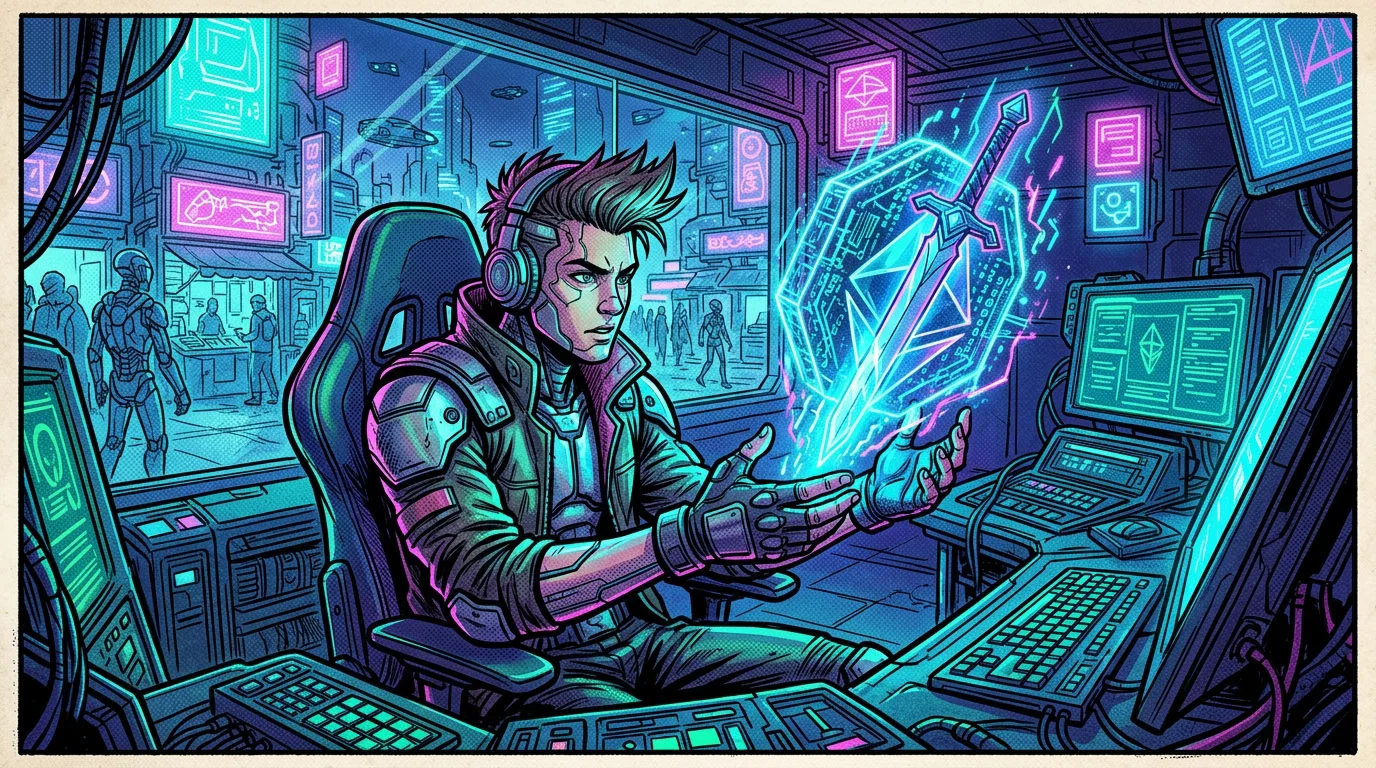
NFTs in play to earn games have completely flipped the traditional gaming script, turning virtual assets into actual financial opportunities for everyday players. If you are wondering how digital economies actually function in modern web3 environments, the short answer is that non-fungible tokens give verifiable proof of ownership and true player autonomy, replacing walled gardens with open marketplaces where time invested translates directly into economic value. Gone are the days when grinding for hours yielded items trapped inside a single proprietary server; today, blockchain integration lets gamers truly own, trade, and monetize their in-game achievements. Throughout this deep dive, we will unpack the mechanics, ecosystem shifts, and future prospects of this digital revolution.
NFTs in play to earn games: The Ultimate Game Changer
To understand why digital collectibles are taking over virtual worlds, we have to look past the hype and examine the structural shift in play-to-earn gaming. Traditional video games treat player investments as sunk costs. You buy a sword, you use a sword, and when you quit the game, that sword vanishes into the digital ether. Blockchain technology alters this equation fundamentally. By minting in-game items as unique tokens on a distributed ledger, developers ensure that players retain permanent custody of their digital goods.
This architecture forms the backbone of modern GameFi ecosystems, where financial incentives and entertainment merge into a seamless experience. Players are no longer just consumers; they are stakeholders in a micro-economy. According to recent industry reports, the global blockchain gaming market continues to attract billions in venture capital, proving that this is not a passing fad but a permanent evolution in how digital interaction is monetized.
The Core Mechanics of Non-Fungible Tokens
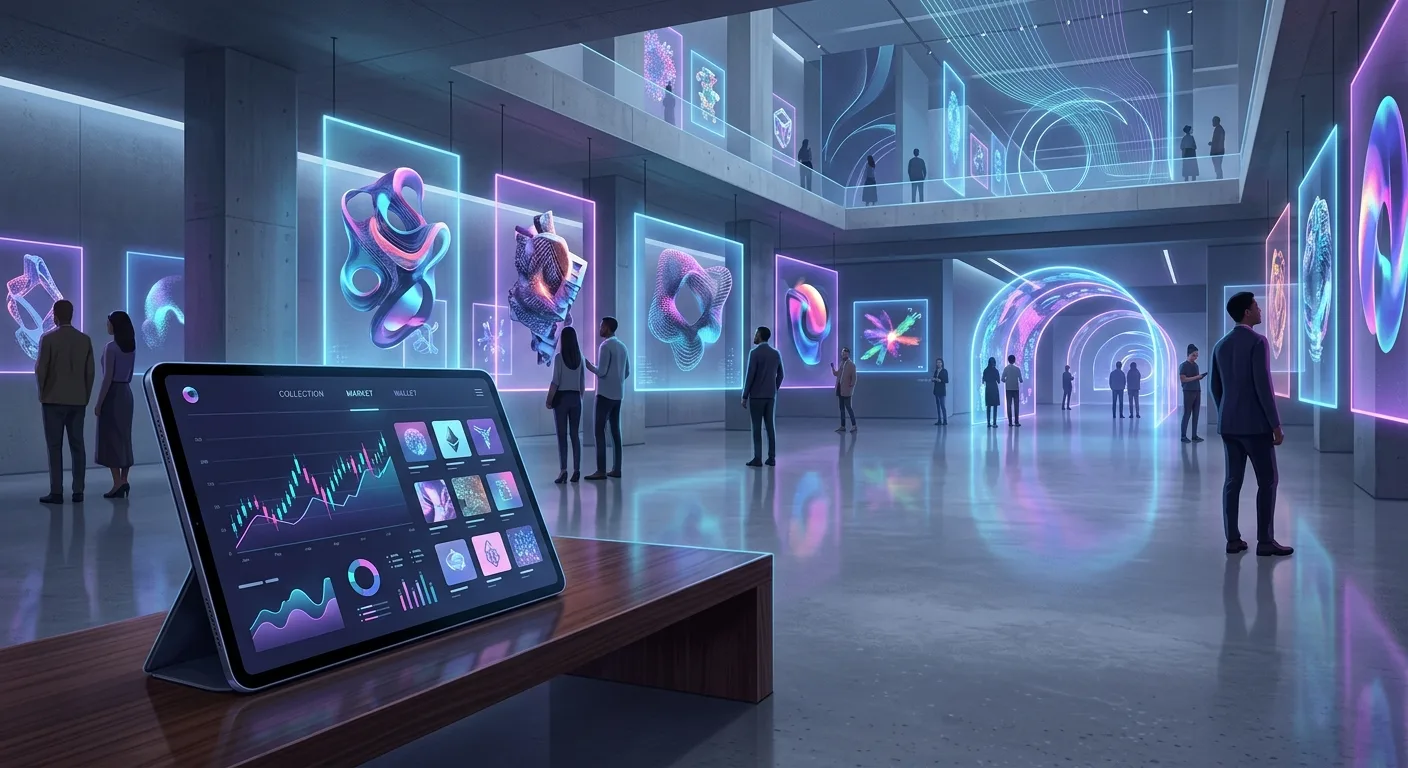
At the heart of every thriving virtual economy lie non-fungible tokens, acting as the digital deeds to land, characters, and gear. Unlike cryptocurrencies such as Ethereum or Bitcoin, which are fungible and identical in value, each NFT possesses unique metadata that distinguishes it from any other token. This uniqueness is what gives virtual real estate or rare armor sets their perceived market value.
| Feature Type | Traditional Gaming Assets | Blockchain Gaming Assets |
|---|---|---|
| Ownership | Controlled by the game publisher | Owned entirely by the player via private keys |
| Interoperability | Locked to a single game title | Tradable across secondary marketplaces |
| Monetization | Restricted to official in-game stores | Open peer-to-peer trading and rental markets |
| Transparency | Opaque drop rates and server rules | Verifiable on-chain data and smart contracts |
These technical distinctions empower players in ways previously thought impossible. When you secure a rare drop, you can sell it for stablecoins, lend it to another player for a cut of their earnings, or keep it as a prized digital trophy.
Economic Realities and Sustainability Challenges
Critics often point out that early economic models in blockchain gaming suffered from hyperinflation and unsustainable tokenomics. However, mature projects are refining their approaches by focusing on utility rather than pure speculation. Sustainable economies require a careful balance between token emission and utility sinks—mechanisms where players spend tokens to upgrade items, enter tournaments, or breed characters.
| Economic Metric | Early P2E Models (2021) | Modern P2E Models (2024+) |
|---|---|---|
| Primary Driver | Pure financial speculation | Gameplay depth and entertainment first |
| Asset Utility | Limited to basic farming | Multi-use across crafting, staking, and governance |
| Entry Barriers | High initial NFT purchase costs | Free-to-play entry with scholarship programs |
Sustainable play-to-earn gaming relies heavily on creating fun loops that attract traditional gamers who happen to earn, rather than financial farmers who only log in for the payout.
Future Outlook for GameFi and Digital Ownership
Looking ahead, the integration of artificial intelligence and cross-chain bridges will likely push blockchain economies into uncharted territory. Imagine procedurally generated quests where the rewards are dynamic NFTs whose attributes evolve based on your playstyle. As regulatory frameworks become clearer and user experience (UX) improves, onboarding mainstream players will become friction-free.
The barrier between traditional gaming giants and decentralized protocols is slowly blurring. Major studios are experimenting with subtle blockchain integrations that do not overwhelm the player with crypto jargon, focusing instead on the tangible benefits of true asset ownership. The trajectory suggests that digital ownership will soon become an invisible, standard feature of interactive entertainment.
Summary
Discover how NFTs in play to earn games are revolutionizing digital economies and empowering players with true ownership. Explore the core mechanics, economic sustainability challenges, and the future of GameFi in this comprehensive guide.
Conclusion
Ultimately, the integration of NFTs in play to earn games represents a profound paradigm shift from centralized control to player empowerment. By combining engaging gameplay with transparent, blockchain-verified ownership, the industry is paving the way for a more equitable and dynamic digital future where every minute spent gaming holds tangible value.
Discussion (0)
Join the conversation