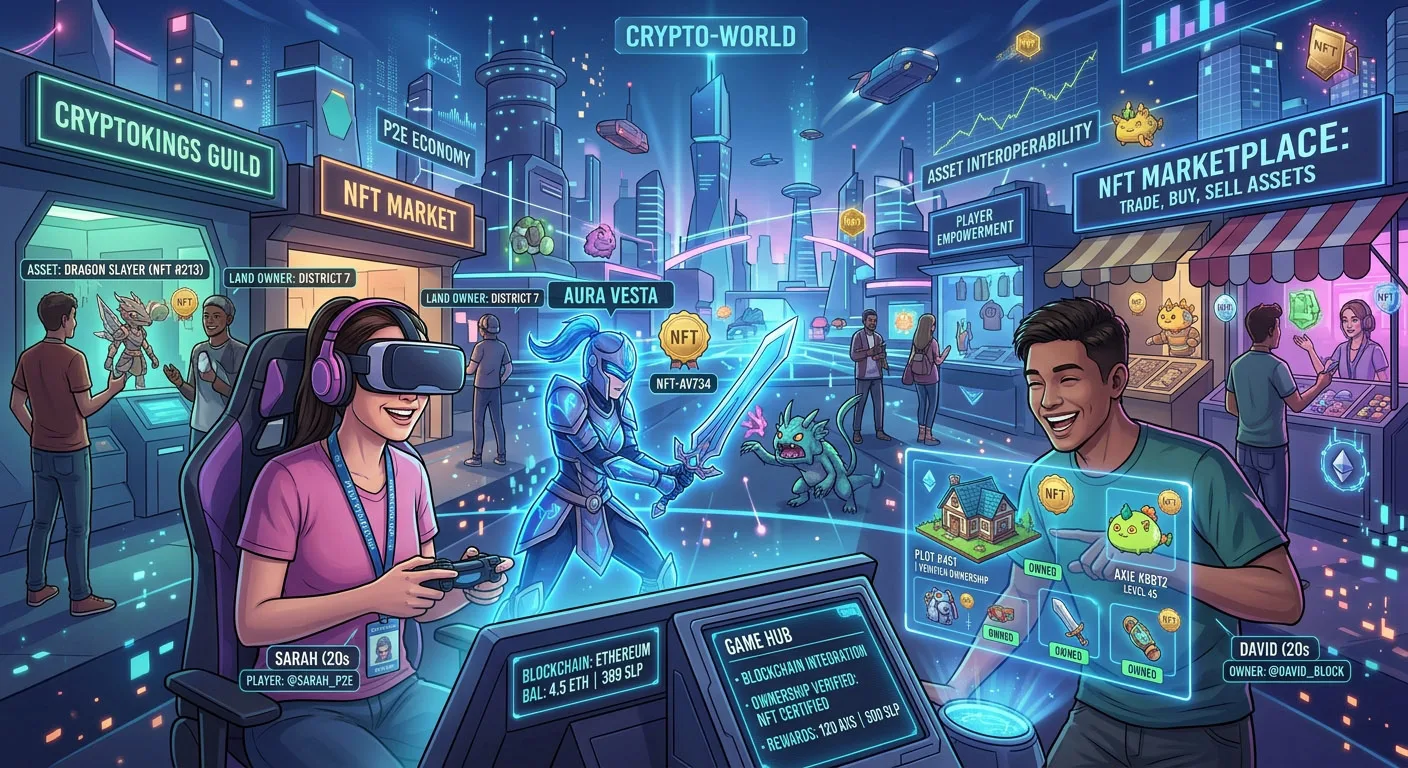
Game wallet integration connects a player’s identity, assets, and permissions directly to the games they play. A well-designed wallet layer can turn purchases, rewards, and digital ownership into seamless parts of the experience rather than separate technical tasks.
Introduction: Why Game Wallet Integration Is Reshaping Player Experiences
Traditionally, games have kept account management, payments, and inventory inside closed ecosystems. As blockchain-based economies mature, players increasingly expect portable assets, transparent transactions, and control over how value moves between platforms. A wallet can support these expectations by holding tokens, collectibles, credentials, or in-game currencies while letting users approve actions from a familiar interface.
From Payment Tool to Player Identity
The shift is broader than adding a checkout button. Wallets can simplify sign-in, enable player-owned inventories, and make loyalty programs more flexible. Developers may use smart contracts to automate rewards, enforce marketplace rules, or connect achievements with verifiable digital items. This creates new design possibilities, but it also raises the standard for usability. Players should understand what they are signing, how fees work, and whether an action is reversible.
How game wallet integration Builds Trust
Security and privacy must be designed into the flow, not added after launch. Clear permission prompts, transaction previews, spending limits, recovery options, and fraud monitoring help reduce risk. Teams can consult Ethereum developer documentation when working with compatible networks and apply OWASP security guidance to protect keys, sessions, and personal data.
For players, the result should feel simple: one account, understandable ownership, and meaningful control. For studios, the benefit is a stronger relationship with their communities, supported by interoperable economies and measurable engagement. The successful implementations will keep blockchain complexity in the background, using wallets to expand choice without interrupting play.
How Game Wallet Integration Works
The integration connects a player’s account, a blockchain wallet, and the game’s transaction system so digital assets can move safely between them. The process should feel simple to the player, while each action is supported by permissions, reliable data exchange, and security controls.
Game Wallet Integration: A Typical Flow
- Wallet connection: The player selects a supported wallet or creates a custodial wallet through the game. A connection request confirms the account without exposing private keys.
- Identity and session matching: The platform links the wallet address to the player profile, usually after a signature-based verification. This helps prevent unauthorized account claims without requiring the player to share a password.
- Asset and network checks: The game identifies the relevant blockchain, token standard, and balance. It may also check network fees, contract compatibility, and whether an item is eligible for use in gameplay.
- Transaction approval: When a player buys, sells, mints, or transfers an asset, the wallet displays the transaction details. The player approves it, and the request is submitted to the network or handled by a trusted backend service.
- Confirmation and synchronization: After confirmation, the game updates the inventory, marketplace, or reward status. Event listeners and periodic checks help reconcile blockchain records with in-game data.
Some games use non-custodial wallets, giving players full control of their keys. Others use custodial accounts to reduce friction, especially for newcomers, while keeping key management on the platform’s infrastructure. Hybrid designs can offer both options.
Developers should document supported networks and recovery processes, apply OWASP security guidance, and test failed, delayed, or duplicated transactions. Reviewing Ethereum developer documentation can clarify wallet APIs, signing behavior, and network-specific requirements. A well-designed flow keeps blockchain complexity in the background without hiding important costs or permissions.
Choosing Between Custodial and Non-Custodial Wallets
How Game wallet integration Shapes the Choice
Selecting a wallet model is one of the earliest decisions in game wallet integration. A custodial wallet is managed by the game studio or a specialized provider. The service holds private keys, authenticates players, and can support password recovery. This approach creates a familiar onboarding flow: players sign in with an email or social account, while the platform handles blockchain transactions behind the scenes. It can reduce friction for newcomers and make purchases, rewards, and item transfers easier to coordinate.
Non-custodial wallets give players direct control of their keys and assets. They approve transactions themselves, often through a browser extension or mobile wallet. This model strengthens ownership and portability: users can potentially access compatible items across multiple games or marketplaces without depending on one operator. However, recovery becomes the player’s responsibility. Losing a seed phrase may mean permanent loss, and transaction fees or network delays can complicate gameplay.
Evaluate Security, UX, and Compliance
The right choice depends on audience, asset value, and product goals. Custody may suit casual games that prioritize instant access and guided support. Non-custody may fit competitive ecosystems where player ownership and interoperability are core promises. Many studios also choose a hybrid design, combining custodial accounts for onboarding with optional wallet export later.
Before launch, define who controls keys, how account recovery works, and which party absorbs fraud risk. Protect signing systems with role-based access, secure key storage, and transaction monitoring. Explain fees, permissions, and irreversible actions in plain language. Test the experience on supported devices and networks, including interrupted sessions and failed transactions. A thoughtful game wallet integration strategy balances convenience with verifiable ownership, giving players clarity without weakening trust. Review assumptions as player numbers grow.
Designing Secure Game Wallet Integration
A secure game wallet integration begins with a clear separation between gameplay systems and asset custody. Games should not expose private keys, seed phrases, or signing credentials to clients. Instead, use a trusted wallet provider, hardware-backed storage, or a custodial service with narrowly defined permissions.
Authentication should combine device binding, strong account credentials, and risk-based checks. A second factor is especially important for withdrawals, marketplace transfers, and changes to recovery settings. Use short-lived session tokens, rotate refresh tokens, and revoke access after suspicious activity. Keep transaction signing separate from ordinary API calls so a compromised game server cannot silently move funds.
Security Controls for game wallet integration
Apply least privilege at every layer. Define separate permissions for balance reads, deposits, withdrawals, and contract interactions; default to read-only access. Add transaction limits, allowlists, velocity rules, and manual review for high-value or unusual actions. Smart contract calls should validate chain ID, recipient, token type, and amount before signing. Use Ethereum developer documentation to confirm network behavior, fee handling, and wallet-provider assumptions rather than relying on copied snippets.
Protect the integration in transit and at rest with current encryption, secure secret management, and strict logging hygiene. Never place private material or full payment data in analytics events. Logs should record request IDs, policy decisions, and outcomes without exposing sensitive payloads. Follow OWASP security guidance and conduct threat modeling for phishing, stolen sessions, replayed signatures, malicious contracts, and chain reorganizations.
Finally, test failure paths as carefully as successful payments. Simulate rejected signatures, interrupted confirmations, duplicate callbacks, and provider outages. Provide users with understandable status messages and a recovery process that never asks them to share a seed phrase. Monitor wallet errors continuously and review permissions after every release before exposing features to the public.
Improving Onboarding, Payments, and Player Usability
Game wallet integration for a smoother player journey
A successful wallet experience should feel like a natural extension of the game, not a separate financial product. Players need a concise explanation of its purpose and requirements. Let users explore core gameplay before requesting details, then introduce account creation, wallet connection, or custodial options at the moment they become relevant. Social sign-in, passkeys, and familiar recovery flows can reduce abandonment without hiding important ownership choices.
Game wallet integration also improves payments when the purchase path is designed around player intent. Display prices in local currency alongside token amounts, show network and service fees before confirmation, and provide clear status updates while a transaction is pending. Support payment methods where possible, including cards, bank transfers, and digital assets. A reliable retry process should explain whether a failed payment was rejected, delayed, or completed despite an interrupted screen.
Usability depends on thoughtful defaults. The interface should distinguish spendable balances, earned rewards, locked items, and assets held on different networks. Confirmations should use plain language, while controls remain available for experienced users. Mobile layouts, accessible contrast, keyboard navigation, and localization are essential for adoption. Developers can validate details against Ethereum developer documentation and apply OWASP security guidance when handling keys, permissions, and signed requests. Never expose private keys, and use transaction limits, fraud monitoring, and session protection to reduce risk for everyone.
Finally, measure the journey rather than wallet adoption. Track connection success, time to first purchase, payment failure rates, support requests, and retention after an on-chain action. These signals reveal where friction remains and help teams refine prompts, fees, and recovery options. The goal is a fast, transparent experience that lets players focus on the game while confidently retaining control over their digital assets across devices and regions.
Security, Compliance, and Fraud Prevention
A secure game wallet integration connects players to payments and digital assets, but it also expands the attack surface. Every transaction should be protected from account takeover, payment abuse, data exposure, and unauthorized withdrawals. Use layered controls, including encryption in transit and at rest, secure key management, multi-factor authentication, device checks, and strict session expiration. Keep private keys away from client code, and never trust balances or transaction status supplied by the browser.
How game wallet integration supports security
Wallet architecture should separate gameplay services from signing and custody systems. A backend can validate inventory changes, enforce spending limits, and require server-side authorization before broadcasting a transfer. For blockchain-based features, teams should review Ethereum developer documentation when handling network rules, signatures, gas, and confirmation logic. Apply least-privilege access to administrative tools, rotate secrets regularly, and log sensitive events in tamper-evident storage.
Compliance and fraud controls
Regulatory obligations vary by jurisdiction and product design. Assess know-your-customer, anti-money-laundering, age verification, tax reporting, sanctions screening, and consumer protection requirements before launch. Minimize personal data collection, define retention periods, and provide clear consent and withdrawal processes. Risk-based monitoring can flag rapid account creation, unusual device changes, repeated payment failures, collusive transfers, or abnormal play patterns. Use velocity limits and stepped-up verification.
- Run penetration tests and dependency scans before release, then repeat them after major changes.
- Use OWASP security guidance to prioritize secure coding, validation, and incident response.
- Prepare a recovery plan with backups, key rotation, customer support procedures, and a rehearsed breach notification process.
Security should be measurable, reviewed continuously, and communicated clearly to players and partners.
A Practical Roadmap for Launching a Scalable Wallet System
Launching a wallet for a game is both a product and infrastructure decision, not merely a blockchain task. Begin with a clear brief: define supported assets, player actions, custody model, target regions, compliance obligations, and success metrics. Decide whether players need custodial accounts for frictionless onboarding, non-custodial wallets for ownership, or a hybrid approach. This scope prevents unnecessary complexity and guides the technical roadmap.
Phase One: Plan the Game Wallet Integration
Map every wallet journey before selecting vendors or networks. Document account creation, recovery, deposits, withdrawals, marketplace purchases, rewards, and fraud responses. Separate gameplay services from financial services through well-defined APIs, so a chain outage does not stop core play. Select networks according to transaction cost, confirmation speed, tooling, liquidity, and player geography. Review Ethereum developer documentation when building compatible features, but validate all assumptions with a small prototype.
Phase Two: Build for Security and Scale
Use a modular architecture with an authentication layer, wallet service, ledger, blockchain adapter, risk engine, and monitoring console. Keep an internal transaction ledger as the source for game balances, while blockchain records provide verifiable settlement. Protect keys with managed custody or hardware-backed systems, apply least-privilege access, and require multi-party approval for sensitive operations. Follow OWASP security guidance, conduct threat modeling, and test recovery procedures before launch.
- Start with a closed beta and synthetic funds.
- Measure failed transactions, confirmation time, support volume, and retention.
- Introduce limits, alerts, and manual review for unusual activity.
- Release networks and assets gradually, behind feature flags.
Phase Three: Operate and Improve
After launch, monitor liquidity, chain reliability, wallet errors, and player behavior continuously. Provide clear transaction status, accessible recovery options, and human support. A scalable game wallet integration evolves through measured releases, independent audits, and regular policy reviews. In conclusion, disciplined planning, layered security, and staged deployment create a wallet system that can grow without compromising trust or playability.
Frequently Asked Questions
What is a wallet in a game?
A wallet is a digital account that lets players store, manage, and use in-game assets such as tokens, collectibles, or digital items. It may be built into the game or connected through an external wallet service.
How do players connect a wallet to a game?
Players typically select a Connect Wallet option and choose a supported wallet provider. They then approve the connection, usually by signing a message rather than sharing their private keys.
Why do games integrate wallets?
Wallets allow players to own and manage certain digital assets outside the game environment. They can also support trading, transferring, purchasing, and using assets across compatible games or platforms.
Are wallets required to play every game?
No, many games offer wallet-free access for basic gameplay. A wallet may only be needed for optional features such as purchasing digital items, earning rewards, or trading assets.
What types of assets can a game wallet hold?
Depending on the game, a wallet may hold tokens, unique digital collectibles, cosmetic items, characters, or other blockchain-based assets. Some games also use wallets to track achievements, memberships, or access rights.
How do in-game purchases work with wallets?
Players can use supported tokens or payment methods to buy items through an in-game marketplace or connected store. The wallet may require the player to approve the transaction and pay a network fee.
What are transaction fees in wallet-based games?
Transaction fees are costs charged by the underlying blockchain to process actions such as purchases, transfers, or item creation. Some games pay these fees for players, while others require players to cover them.
How do games protect wallet security?
Games should avoid requesting private keys or secret recovery phrases and should use secure connection and signing processes. Players should verify links, review transaction details, enable account protection, and keep recovery information private.
Can players use the same wallet in multiple games?
Often, a wallet can connect to multiple games that support the same blockchain or asset standards. However, each game may have different compatibility requirements, networks, and rules for using shared assets.
What happens if a player loses access to a wallet?
The recovery process depends on whether the wallet is custodial or self-custodial. Custodial wallets may offer account recovery through the game or service, while self-custodial wallets generally require the original recovery phrase or private key.


Discussion (0)
Join the conversation