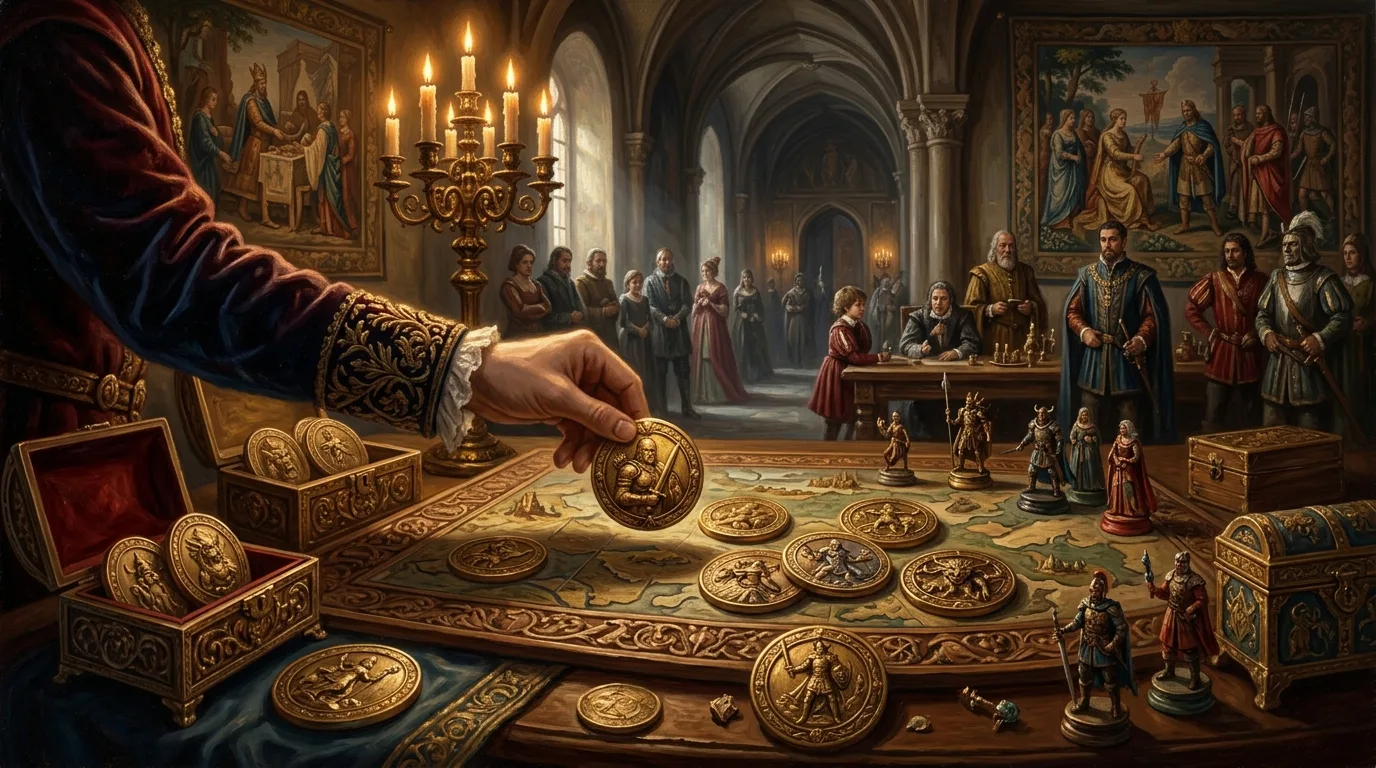
NFTs in online gaming change the relationship between players, game assets, and the platforms that operate virtual worlds. Instead of treating every sword, skin, or collectible as a database entry controlled exclusively by a publisher, developers can represent selected items as verifiable blockchain assets with independent ownership records.
What NFTs in Online Gaming Actually Change
The primary shift is the separation of possession from permission. A player may hold an asset in a wallet rather than merely access it through an account. That distinction enables transparent transfer, peer-to-peer trading, and provable scarcity. For example, an item issued under the ERC-721 token standard can have a unique identifier and transaction history, while alternative token architectures can support large volumes of interchangeable resources.
How NFTs in online gaming Reshape Game Systems
These assets can also introduce interoperability, although practical portability depends on compatible software, metadata formats, and licensing rights. A weapon may move between experiences only if another game understands its attributes and chooses to support them. Ownership therefore does not automatically create utility; design integration remains essential.
Economically, blockchain-based items can enable creator royalties, regulated marketplaces, and new revenue models, but they also add fees, custody risks, fraud exposure, and regulatory complexity. Publishers must address wallet recovery, smart-contract vulnerabilities, market manipulation, and the environmental profile of their chosen network. The technology is not a replacement for game design. Its meaningful contribution is a programmable ownership layer that can make digital goods more portable, auditable, and composable when those properties serve the player experience. In this context, non-fungible tokens are infrastructure, not gameplay by themselves.
NFTs in Online Gaming: Ownership, Utility, and Player Economies
NFTs in online gaming introduce a verifiable ownership layer for digital assets such as characters, skins, weapons, land, and collectibles. Unlike conventional items stored in a publisher’s database, these blockchain-based assets can be represented by unique tokens with transparent transaction histories. The ERC-721 token standard is commonly associated with individually identifiable assets, while newer multi-token frameworks support both scarce and semi-fungible inventory at scale.
Ownership Beyond the Game Client
Tokenized ownership can make assets transferable between wallets, marketplaces, and potentially compatible game environments. This model gives players greater control over acquisition and resale, but ownership remains conditional on platform rules, intellectual-property licenses, and server availability. A token may prove control of an asset record without guaranteeing that every game will recognize or render it.
Utility Drives Sustainable Demand
Speculation alone is an unstable foundation. Strong implementations connect digital collectibles to gameplay utility: progression access, crafting materials, governance rights, customization, or membership benefits. Designers must balance scarcity with accessibility, using controlled issuance, repair systems, and sinks to prevent inflation. Interoperability also requires shared metadata schemas, secure wallet authentication, and reliable APIs rather than merely exporting non-fungible tokens between ecosystems.
Emerging Player Economies
These systems can support creator royalties, peer-to-peer commerce, and new earning models for modders, esports participants, and community operators. However, transaction fees, fraud, wallet recovery, regulatory obligations, and pay-to-win risks remain significant constraints. The future of NFTs in online gaming will therefore depend on infrastructure that is invisible to ordinary players, economically sustainable, and designed around meaningful utility rather than financial extraction.
Technical Infrastructure and Interoperability Challenges
The long-term viability of NFTs in online gaming depends less on token issuance than on dependable infrastructure. Developers must coordinate blockchain networks, game engines, wallets, marketplaces, and identity systems without compromising latency, security, or user experience. Current architectures often expose players to transaction fees, key-management risks, and complex onboarding processes that conflict with the immediacy expected from interactive entertainment.
Scalability and Ownership Standards for NFTs in online gaming
High-volume games can generate millions of asset events, including trades, upgrades, rentals, and consumable purchases. Public chains may struggle with throughput and variable fees, while centralized databases weaken verifiable ownership. Layer-2 networks, sidechains, and application-specific rollups can reduce congestion, but each introduces different trust assumptions and operational requirements. Standards such as the ERC-721 token standard support unique asset representation, yet they do not automatically define gameplay logic, licensing rights, metadata permanence, or cross-title compatibility.
Interoperability Across Games and Ecosystems
True portability requires more than moving an asset between wallets. A sword, avatar, or land parcel must retain meaningful attributes when interpreted by another game, despite differences in physics, economies, visual formats, and progression systems. Shared schemas, open metadata specifications, portable credentials, and audited smart contracts can establish common rules. However, studios may resist interoperability because it can dilute platform control, complicate balancing, and create intellectual-property conflicts. Governance frameworks will therefore be as important as technical standards.
Security, Compliance, and User Experience
Wallet abstraction, account recovery, hardware-backed keys, and fraud monitoring can hide blockchain complexity without removing its protections. Projects must also address smart-contract exploits, counterfeit assets, privacy leakage, and evolving financial regulation. Unless these safeguards become nearly invisible, adoption of blockchain-based game assets will remain limited to specialist audiences rather than mainstream players.
Security, Regulation, and Environmental Considerations
NFTs in online gaming: Security by Design
As ownership of digital assets expands, NFTs in online gaming require security controls beyond conventional account protection. Smart contracts should undergo independent audits, formal verification where practical, and upgrade governance that cannot silently rewrite balances. The ERC-721 token standard supports unique asset identity, but marketplaces and custody layers remain attack surfaces. Hardware-backed keys, least-privilege permissions, transaction simulation, and recovery mechanisms can reduce phishing, bridge, and wallet-compromise risks. Studios should publish incident-response procedures and distinguish custodial from player-controlled ownership. These non-fungible tokens should also use resilient metadata storage so an asset’s identity does not disappear when a centralized server changes or shuts down.
Regulatory Accountability
Regulators may classify game assets according to utility, transferability, revenue promises, and governance rights rather than their technical format. Developers must assess consumer-protection, anti-money-laundering, sanctions, taxation, privacy, and platform rules across every jurisdiction they serve. Clear disclosures should explain royalties, minting fees, scarcity claims, refund limits, and what happens if a game closes. Age verification and parental controls are particularly important when assets have speculative value. Consistent compliance frameworks will be essential to mainstream adoption.
Environmental Performance
Environmental impact depends primarily on network architecture, not the asset label. Energy-efficient proof-of-stake chains and layer-two settlement can reduce transaction emissions, while batching, off-chain metadata, and durable storage policies limit infrastructure demand. Teams should measure energy per transaction, server consumption, and lifecycle emissions, reporting methodology instead of relying on broad sustainability claims. For NFTs in online gaming to scale responsibly, security audits, transparent governance, and measurable environmental targets must be treated as core product requirements rather than post-launch additions.
The Business Models Driving Future Adoption
The long-term viability of NFTs in online gaming will depend less on speculative resale and more on sustainable revenue design. Developers are increasingly combining digital ownership with services that generate recurring income, creating an economy in which players, studios, and marketplaces share value.
How NFTs in online gaming generate revenue
- Primary asset sales: Studios can sell characters, equipment, land, and cosmetic items directly, while limiting supply through verifiable issuance. Assets built with the ERC-721 token standard are particularly suited to unique ownership, although newer standards can support batch transactions and lower costs.
- Secondary-market royalties: Programmable fees can return a percentage of each resale to the original developer. This model aligns creator revenue with asset liquidity, but royalty enforcement requires marketplace cooperation and transparent contract design.
- Live-service economies: Season passes, crafting systems, lending, and upgrade mechanics can encourage continued participation without forcing users to purchase high-value collectibles. Carefully designed sinks are essential to prevent inflation and oversupply.
- Platform and infrastructure services: Wallet providers, custodial marketplaces, analytics firms, and interoperability layers can monetize transaction fees or subscriptions. These services reduce technical friction and make blockchain-based ownership more accessible to mainstream players.
Future adoption will also be shaped by regulatory clarity, fraud prevention, and consumer protections. Studios must distinguish functional utility from financial promises, disclose risks, and provide reliable recovery options. The strongest business models will treat non-fungible tokens as infrastructure for persistent game economies—not as a substitute for engaging gameplay. As ownership becomes integrated with progression, social identity, and cross-platform benefits, recurring utility should become more important than short-term price appreciation.
What the Future Holds for NFTs in Online Gaming
How NFTs in online gaming Will Evolve
The next phase of NFTs in online gaming will be defined less by speculative trading and more by durable utility. Developers are increasingly evaluating digital assets as programmable ownership layers that can record provenance, enable controlled transfers, and support cross-platform identity. Instead of treating collectibles as isolated items, studios may connect them to progression systems, memberships, tournaments, and creator economies.
Interoperability will remain a major technical challenge. A sword, avatar, or land parcel should retain meaningful functionality across compatible environments without compromising balance or intellectual property rights. Standards such as the ERC-721 token standard provide a foundation for unique assets, while newer protocols can reduce transaction costs, improve metadata reliability, and support scalable gaming activity. Layer-2 networks and hybrid architectures will likely handle ownership records on-chain while keeping real-time gameplay data off-chain.
Business Models and Player Protection
Future marketplaces are likely to incorporate royalties, lending controls, rental systems, and dynamic pricing based on verified utility rather than scarcity alone. However, sustainable adoption depends on transparent fees, fraud prevention, wallet recovery, and clear regulations. Studios must also avoid pay-to-win mechanics and explain how non-fungible tokens affect gameplay, privacy, and account security.
Ultimately, the strongest projects will make blockchain infrastructure largely invisible to players. If ownership improves customization, portability, and community participation without adding friction, NFTs in online gaming can become a practical component of digital entertainment rather than a short-lived trend. The future will belong to platforms that prioritize compelling games first and tokenization second.
Frequently Asked Questions
How will NFTs change ownership in online gaming?
NFTs can give players verifiable ownership of digital items such as characters, skins, weapons, and virtual land. Unlike traditional in-game purchases, these assets may be transferable, sellable, or usable across supported platforms.
Will NFTs become interoperable between different games?
Some developers are working toward interoperability, allowing certain NFT assets to function across multiple games or virtual worlds. However, widespread adoption will depend on shared technical standards, compatible game designs, and cooperation between publishers.
Can players earn real income from NFT-based games?
Players may be able to earn money by selling rare items, trading assets, or participating in play-to-earn economies. However, earnings are not guaranteed, and NFT values can fluctuate significantly based on demand, game popularity, and market conditions.
What challenges could limit the growth of NFTs in gaming?
Major challenges include market volatility, scams, environmental concerns, regulatory uncertainty, and negative player perceptions. Game developers must also ensure that NFT systems enhance gameplay rather than making games feel overly focused on monetization.
What will the future of NFTs in online gaming look like?
NFTs are likely to become more integrated into gaming as optional tools for ownership, customization, and community participation. The most successful implementations will probably be those that provide genuine gameplay value while keeping blockchain technology simple and unobtrusive for players.

Discussion (0)
Join the conversation