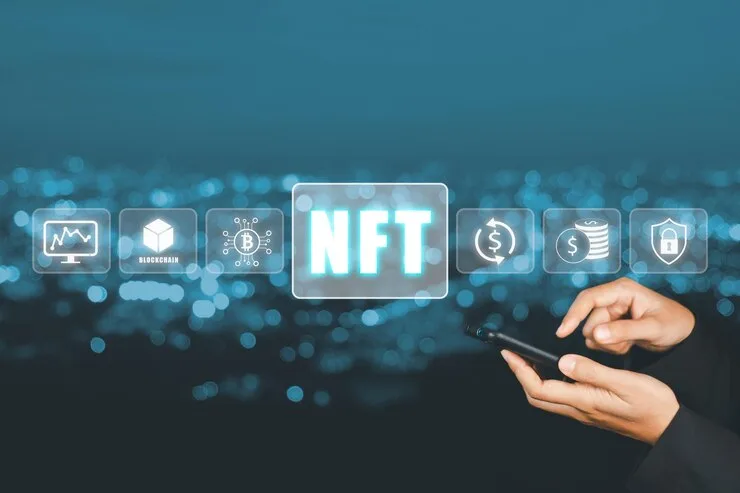
Introduction to NFTs and Digital Ownership Rights
NFTs and Digital Ownership Rights have completely changed how we think about owning things online. In the past, owning digital content was tricky. You could download a picture, but did you really own it? Not exactly. You could buy a song, but could you resell it freely? Usually not.
Now, with blockchain technology, ownership in the digital world has become clearer and more secure. NFTs, or Non-Fungible Tokens, allow people to prove ownership of digital items like art, music, videos, game assets, and even virtual land.
But here’s the big question: Do NFTs truly give you ownership rights? Or are they just digital receipts?
In this detailed guide, we’ll explore how NFTs and Digital Ownership Rights work, their legal implications, benefits, risks, and what the future holds.
What Are NFTs? A Simple Explanation
NFT stands for Non-Fungible Token. Let’s break that down:
-
Non-Fungible means unique and not interchangeable.
-
Token means a digital asset stored on a blockchain.
Unlike cryptocurrencies such as Bitcoin, which are identical to each other, NFTs are one-of-a-kind.
Most NFTs are built on blockchain networks like Ethereum. You can explore NFTs and their underlying smart contracts on platforms such as Etherscan, which provides transparency about ownership and transactions.
Key Characteristics of NFTs
-
Unique digital identifier
-
Stored on blockchain
-
Transferable between users
-
Often linked to digital files
-
Verified ownership history
In simple terms, NFTs act like certificates of authenticity for digital items.
Understanding Digital Ownership Rights in the Blockchain Era
Before NFTs, digital ownership was mostly controlled by centralized companies. When you bought a movie online, you didn’t truly own it. You just received permission to watch it under specific conditions.
With NFTs and Digital Ownership Rights, ownership shifts from platforms to individuals.
Traditional Digital Ownership vs NFT Ownership
| Feature | Traditional Digital Purchase | NFT Ownership |
|---|---|---|
| Ownership Control | Platform-based | Blockchain-based |
| Transferability | Limited | Fully transferable |
| Transparency | Private records | Public ledger |
| Scarcity | Artificial | Cryptographically verified |
This shift gives creators and buyers more control and transparency.
How NFTs Prove Ownership
NFTs rely on blockchain technology. A blockchain is a decentralized ledger that records transactions permanently.
When you purchase an NFT:
-
The transaction is recorded on the blockchain.
-
Your wallet address becomes the official owner.
-
Anyone can verify this ownership publicly.
That’s powerful.
Even if the digital image is copied thousands of times, the blockchain shows who owns the original NFT token.
However, ownership of the NFT does not automatically mean ownership of copyright. That’s where things get interesting.
NFTs and Digital Ownership Rights: Legal Perspective
Here’s the truth many people don’t realize:
Buying an NFT usually does NOT mean you own the copyright.
You own the token, not necessarily the intellectual property.
What You Typically Own
-
The NFT token itself
-
The right to resell it
-
Access to the associated file
What You May Not Own
-
Commercial reproduction rights
-
Trademark rights
-
Copyright ownership
Each NFT project defines ownership rights in its terms and conditions. Some projects grant commercial rights, while others restrict usage.
So always read the fine print before buying.
Benefits of NFTs and Digital Ownership Rights
NFTs offer several advantages that traditional systems cannot provide.
1. True Digital Scarcity
Before NFTs, digital files could be copied endlessly. NFTs introduce provable scarcity, making digital items valuable.
2. Creator Royalties
Many NFT smart contracts automatically pay creators a percentage each time the NFT is resold. This ensures ongoing income for artists.
3. Global Accessibility
Anyone with internet access can buy, sell, or trade NFTs. No middleman required.
4. Transparent Ownership History
Blockchain records every transaction. This makes fraud much harder.
Risks and Challenges
While promising, NFTs also come with risks.
Market Volatility
NFT prices can skyrocket and crash quickly. Speculation plays a big role.
Legal Uncertainty
Regulations around NFTs and Digital Ownership Rights are still evolving. Governments worldwide are working to define legal frameworks.
Scams and Fraud
Fake NFT projects and phishing scams are common. Buyers must verify authenticity.
Environmental Concerns
Some blockchains consume significant energy. However, many networks are transitioning to more energy-efficient systems.
NFTs in Art, Gaming, and Virtual Real Estate
NFTs have expanded into multiple industries.
Digital Art
Artists can mint their work as NFTs and sell directly to collectors without galleries.
Gaming Assets
Gamers can own in-game items and trade them independently of the game publisher.
Virtual Real Estate
Platforms allow users to buy and sell digital land using NFTs.
These use cases show how NFTs and Digital Ownership Rights extend beyond collectibles.
Smart Contracts and Automation
Smart contracts power NFTs. These are self-executing programs stored on the blockchain.
They automatically:
-
Transfer ownership
-
Distribute royalties
-
Enforce transaction rules
This removes the need for third parties and reduces costs.
How to Buy an NFT Safely
If you’re considering investing in NFTs, follow these steps:
-
Use reputable marketplaces.
-
Secure your crypto wallet.
-
Double-check smart contract addresses.
-
Research the project team.
-
Understand the rights included.
Never rush into buying due to hype.
The Future of NFTs and Digital Ownership Rights
Experts believe NFTs may evolve beyond art and collectibles.
Possible future uses include:
-
Academic credentials
-
Property titles
-
Identity verification
-
Event tickets
-
Intellectual property licensing
As technology matures, NFTs could become part of everyday life.
Frequently Asked Questions
Frequently Asked Questions
Conclusion
NFTs and Digital Ownership Rights represent a significant shift in how we view digital property. For the first time, blockchain technology allows individuals to own, transfer, and verify digital assets without relying on centralized platforms.
However, ownership of an NFT does not automatically mean ownership of intellectual property rights. Buyers must understand what they are purchasing and the rights attached to each token.
As laws evolve and technology improves, NFTs may become a standard method of proving ownership online. Whether you’re an artist, investor, or curious learner, understanding NFTs and Digital Ownership Rights is essential in today’s digital world.
The future of digital ownership is unfolding right before our eyes—and it’s just getting started.
Discussion (0)