Blockchain games 2025 are moving beyond speculative token launches toward persistent, technically sophisticated worlds where ownership, interoperability, and transparent economies support meaningful play. The strongest titles combine reliable infrastructure with well-designed mechanics, making decentralized systems useful rather than merely decorative.
What Makes Blockchain Games 2025 Worth Playing?
The primary advantage is verifiable digital ownership. In conventional games, characters, skins, and items are licensed database entries controlled by the publisher. Blockchain-based games can represent selected assets as tokens, allowing players to prove provenance, transfer eligible items, and sometimes use them across connected experiences. This model does not make every asset valuable, but it creates clearer property rules and more flexible marketplaces.
Infrastructure has also matured. Layer-2 networks, optimized sidechains, and account-abstraction systems can reduce transaction costs and hide much of the wallet complexity that previously disrupted gameplay. Developers can batch actions, sponsor fees, and separate frequent in-game operations from higher-value settlement. As a result, blockchain game technology is increasingly judged by latency, security, scalability, and user experience instead of marketing claims.
Game design remains the decisive factor. Competitive balance depends on controlling pay-to-win incentives, limiting bot activity, and ensuring that token rewards do not overwhelm progression. The best projects use digital assets to reinforce crafting, collection, governance, or player-driven economies while retaining compelling combat, strategy, simulation, or social systems. Transparent smart contracts can improve trust, but they cannot compensate for repetitive content or weak retention.
Players should also evaluate governance, treasury management, audit history, and recovery options before committing funds. Clear documentation, including relevant Ethereum developer documentation, helps technically minded users understand contract behavior and custody assumptions. Ultimately, blockchain games 2025 are worth playing when decentralization improves agency, portability, or economic transparency without compromising performance and entertainment value.
The Best Blockchain Games 2025: Ranked Overview
This ranking evaluates the leading blockchain games 2025 by combining gameplay depth, technical reliability, asset utility, player ownership, and long-term development potential. A successful Web3 title must function as a compelling game first, while using decentralized infrastructure to improve portability, economies, governance, or digital identity.
How blockchain games 2025 are ranked
- Off The Grid: A high-production extraction shooter with conventional console-quality design and selectively integrated digital assets. Its strongest advantage is that blockchain functionality remains largely secondary to competitive gameplay, reducing onboarding friction.
- Illuvium: This interconnected RPG ecosystem offers auto-battling, land management, and exploration across multiple experiences. Its detailed visual presentation and structured asset economy make it one of the most ambitious blockchain-native projects, although complexity may challenge new players.
- Parallel: The science-fiction trading card game stands out for strategic depth, polished card design, and meaningful ownership mechanics. Players can compete using collectible assets without requiring every participant to engage deeply with the underlying infrastructure.
- Pixels: This social farming and life-simulation title demonstrates how persistent worlds can support user-generated economies. Its accessible progression loop and active community provide stronger retention than many speculative token-focused releases.
- Big Time: Combining action RPG combat with tradable cosmetic items, Big Time offers a familiar gameplay structure and comparatively understandable monetization model. Its ranking is supported by active development, though content longevity remains important.
From a technical perspective, these titles reflect different approaches to blockchain game technology. Some use networks primarily for ownership records and marketplaces, while others connect tokens, crafting, governance, or land systems directly to progression. That distinction matters: excessive financialization can damage balance, whereas discreet asset integration can enhance player agency.
For users comparing blockchain games 2025, the key question is not simply which project has the highest token valuation. Evaluate active player numbers, transaction costs, wallet usability, anti-cheat architecture, studio transparency, and whether digital assets retain utility outside promotional campaigns. Strong candidates also document smart-contract behavior clearly, with implementation practices informed by resources such as Ethereum developer documentation.
Blockchain Games 2025 Compared by Gameplay and Tokenomics
The leading blockchain games 2025 are no longer defined solely by collectible assets or speculative token launches. Their competitive advantage comes from combining durable gameplay loops with carefully constrained digital economies. A useful comparison therefore examines player agency, progression depth, asset utility, and the relationship between emissions, sinks, and marketplace liquidity.
Gameplay architecture in blockchain games 2025
Action-oriented titles typically prioritize responsive combat, matchmaking, and conventional progression, using distributed ledgers for ownership rather than for every game-state update. Strategy and simulation games can integrate on-chain crafting, land management, or governance more deeply because their slower decision cycles tolerate transaction latency. The strongest designs abstract wallet operations through account recovery, batching, and sponsored transactions, reducing friction for non-crypto players.
Interoperability is also becoming more practical. Instead of promising unrestricted item transfers, developers are defining narrow standards for verified assets, metadata, and permissions. This approach limits balance exploits while preserving portability between approved experiences. In technical terms, blockchain game technology is most effective when it supports verifiable scarcity and user-controlled custody without compromising server-side performance.
Tokenomics and economic sustainability
Token models should be evaluated by utility, velocity, and dilution risk. A single governance token may coordinate voting and marketplace fees, but it can become vulnerable to short-term speculation if gameplay provides insufficient demand. Dual-token systems separate governance from in-game spending, yet they add onboarding complexity and require robust sinks such as crafting, upgrades, tournament entry, or cosmetic customization.
- Emission control: Fixed or declining issuance is generally more predictable than unlimited rewards.
- Value capture: Fees should fund development, security, or ecosystem incentives rather than merely recycle emissions.
- Fair access: Skill-based rewards and transparent pricing reduce pay-to-win pressure.
Teams should publish contract assumptions, audit results, and economic simulations before launch. References such as Ethereum developer documentation can clarify implementation constraints, but documentation alone cannot validate a game’s retention or market design. The best projects align fun, measurable utility, and sustainable cash flows instead of treating token appreciation as the primary product.
Technical Infrastructure, Wallets, and Digital Asset Ownership
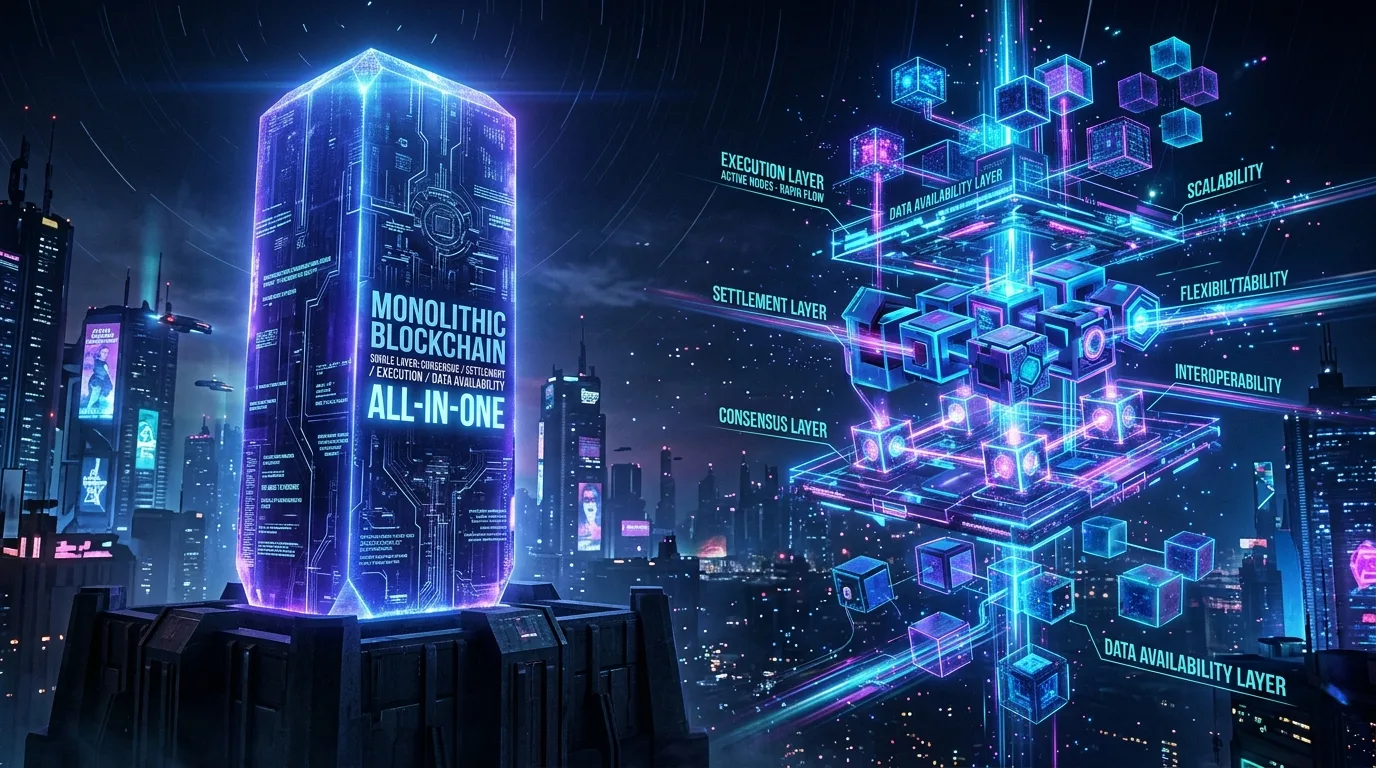
The strongest blockchain games 2025 are defined not only by graphics and gameplay, but also by the reliability of their underlying technical stack. Modern titles typically combine smart contracts, scalable execution layers, decentralized storage, and conventional game servers. This hybrid architecture keeps real-time interactions responsive while recording meaningful ownership events on a public ledger. Developers may use layer-2 networks or application-specific chains to reduce transaction costs, while bridges and interoperability protocols allow assets to move between compatible ecosystems.
How blockchain games 2025 Handle Wallets and Ownership
Wallet design remains central to onboarding. Non-custodial wallets give players direct control of private keys and transferable assets, but seed phrases and transaction signing can create unnecessary friction. Leading studios increasingly support social login, embedded wallets, account abstraction, and optional custodial recovery. These approaches can preserve self-custody principles while making blockchain game technology accessible to players unfamiliar with cryptocurrency.
Digital ownership also requires more than issuing a token. A robust implementation defines whether items are fully on-chain, represented by immutable metadata, or linked to files stored through decentralized or redundant services. Players should be able to verify provenance, rarity, supply limits, and transfer history without relying solely on a publisher’s database. However, ownership of a token does not automatically grant copyright, commercial rights, or permanent access to a game; those conditions must be stated clearly in the license and platform terms.
Security, Standards, and Long-Term Reliability
Audited contracts, permission controls, rate limits, and emergency procedures are essential safeguards. Teams should test marketplace logic and upgrade mechanisms extensively, disclose administrative powers, and monitor suspicious transactions after launch. Compatibility with established token standards can improve portability, although interoperability introduces bridge and smart-contract risks. Technical teams should also maintain clear operational references, including relevant Ethereum developer documentation, and publish transparent policies for migrations, asset recovery, and server continuity.
Ultimately, the best projects treat ownership as a product feature rather than a marketing claim. Stable infrastructure, understandable wallet flows, and durable asset metadata give players confidence that their digital inventories will remain useful beyond a single update or platform cycle.
Security Risks, Regulation, and Sustainable Game Economies
As blockchain games 2025 move from speculative launches toward mainstream adoption, security and economic design are becoming decisive quality indicators. Developers must treat smart contracts, wallets, marketplaces, and live-service infrastructure as one interconnected risk surface. A flaw in token logic can enable asset theft, inflation, or irreversible loss, while compromised private keys and phishing attacks can undermine player trust faster than conventional bugs.
Security Standards for Blockchain Games 2025
Robust projects use independent contract audits, formal verification for high-value functions, multisignature treasury controls, rate limits, and carefully tested upgrade mechanisms. Audits are not a substitute for security engineering: teams should maintain bug-bounty programs, publish incident-response procedures, monitor abnormal transactions, and separate operational wallets from reserves. Clear user interfaces should also explain signing requests and custodial assumptions. Teams building blockchain game technology can consult Ethereum developer documentation alongside chain-specific security guidance, but must still validate implementations through adversarial testing.
Regulatory Classification and Player Protection
Regulation remains fragmented across jurisdictions. A game token may be treated as a virtual asset, security, payment instrument, or in-game item depending on its rights, marketing, transferability, and governance model. Compliance programs should address know-your-customer requirements where applicable, sanctions screening, consumer disclosures, data protection, taxation, and age-appropriate design. Randomized purchases and token-linked rewards may also trigger gambling or financial-promotion rules. Legal review should occur before launch, not after a token generation event.
Designing Sustainable Game Economies
Long-term viability depends on utility rather than continuous speculation. Healthy economies balance issuance with durable sinks such as crafting, maintenance, customization, access fees, and tournament costs. Rewards should reflect meaningful gameplay, not automated extraction, and governance should include circuit breakers for inflation, bot activity, and market manipulation. Transparent dashboards can expose supply, emissions, treasury holdings, and sink performance. Ultimately, successful blockchain games 2025 will prioritize enjoyable gameplay, predictable economic rules, and resilient infrastructure over short-term yield incentives.
How to Choose the Right Blockchain Game in 2025
Selecting among the leading blockchain games 2025 requires more than comparing graphics, token prices, or marketplace activity. A durable title should combine reliable gameplay systems with transparent ownership, sustainable economics, and a secure technical foundation. Treat the blockchain as infrastructure that improves the player experience, not as a substitute for compelling design.
What to Evaluate in blockchain games 2025
- Gameplay depth: Assess progression, combat or strategy mechanics, content cadence, and the quality of the core loop. A game should remain enjoyable even when asset prices fluctuate.
- Economic design: Review token utility, issuance, sinks, reward distribution, and marketplace fees. Models dependent on continuous new-user spending are vulnerable to inflation and liquidity shocks. Prefer games with multiple ways to earn, spend, and use digital assets.
- Ownership and interoperability: Confirm which items are genuinely transferable, whether metadata is persistent, and whether withdrawals are supported. Be cautious when “ownership” is limited to a centralized database entry or a non-transferable license.
- Security and custody: Investigate smart-contract audits, bug-bounty programs, wallet permissions, and the project’s incident history. Never approve unlimited token allowances without understanding the associated contract risk.
- Network performance: Compare transaction fees, confirmation times, scalability, and supported wallets. Layer-2 networks can reduce costs, but bridging introduces additional contract and liquidity risks.
- Team and governance: Examine developer activity, funding transparency, community communication, and the process for changing game rules. Public technical resources, including Ethereum developer documentation, can help players understand compatibility and transaction behavior.
Before committing capital, use a test wallet, verify official contract addresses through trusted in-game channels, and calculate the total cost of participation rather than focusing only on the entry price. Also separate speculative purchases from entertainment spending.
Conclusion: The best blockchain game technology is invisible when it works well: it supports secure ownership, efficient markets, and meaningful player agency. Choose titles with strong gameplay, measurable economic discipline, and responsible development practices for a more resilient experience in 2025.
Frequently Asked Questions
What are the top blockchain games of 2025?
Some of the most notable blockchain games in 2025 include Axie Infinity, Illuvium, Gods Unchained, The Sandbox, and Big Time. These games stand out for combining traditional gameplay with digital ownership, player-driven economies, or collectible in-game assets.
What makes blockchain games different from traditional video games?
Blockchain games can allow players to own, trade, or sell certain in-game assets through blockchain-based systems. They may also use tokens, NFTs, and decentralized marketplaces, although the specific features vary by game.
Do I need cryptocurrency to play blockchain games?
Not always, because many blockchain games offer free-to-play options or allow players to begin without purchasing digital assets. However, cryptocurrency or a compatible wallet may be required for trading, buying NFTs, or accessing advanced features.
Are blockchain games safe to invest in?
Blockchain games can involve financial risks because token and NFT prices may change significantly. Players should research each project, understand transaction fees, use secure wallets, and avoid spending more than they can afford to lose.
What should I look for when choosing a blockchain game in 2025?
Consider the quality of the gameplay, the development team’s track record, the size of the player community, and the transparency of the project’s economy. It is also important to review wallet requirements, blockchain fees, asset liquidity, and the game’s long-term development plans.


Discussion (0)
Join the conversation