
Understanding Decentralized AI (DeAI): A Powerful Guide for Beginners
Decentralized AI (DeAI) is rapidly becoming one of the most transformative technologies of the modern era. As artificial intelligence continues to expand across industries, many organizations and everyday users are increasingly seeking systems that are transparent, secure, and free from centralized control. DeAI offers exactly that. It provides a new framework for building and operating intelligent systems that function across distributed networks without relying on a single authority. For beginners, this guide serves as a comprehensive introduction, breaking down the concepts, benefits, and future opportunities of this groundbreaking field.
Introduction to Decentralized AI (DeAI)
Decentralized AI (DeAI) refers to artificial intelligence systems that operate across distributed networks rather than being controlled by a central server or organization. Instead of one entity owning the data, the model, or the decision-making processes, all operations are shared among multiple nodes within the network. This builds a more democratic and transparent AI environment.
In traditional AI, a company controls all processes—from data collection to model training—which often raises concerns about privacy, data misuse, and biases. DeAI aims to eliminate these vulnerabilities by using decentralized technologies such as blockchain, peer-to-peer networks, and federated learning.
What Makes DeAI Different from Traditional AI?
Traditional AI systems rely on a highly centralized structure:
-
A single company controls the data.
-
Models are trained on proprietary servers.
-
Users have limited insight into how decisions are made.
DeAI, however:
-
Distributes data across multiple independent nodes.
-
Uses open and transparent smart contracts.
-
Ensures shared ownership of AI model creation and training.
This shift gives individuals more control and increases trust in AI applications.
Why DeAI Matters in Today’s Digital Economy
The digital world is evolving. Privacy concerns, algorithmic biases, and Big Tech monopolization have pushed users to demand more accountability. DeAI addresses these issues by:
-
Making AI processes transparent
-
Protecting user data from exploitation
-
Allowing global collaboration on AI development
-
Reducing control from centralized corporations
As the Web3 era grows, DeAI is becoming a vital component for building fair and open intelligent systems across finance, healthcare, cybersecurity, education, and more.
How Decentralized AI (DeAI) Works
To understand how DeAI functions, it’s essential to explore the technologies that power it. At the core, decentralized AI uses blockchain networks, distributed data storage, smart contracts, and federated learning systems.
The Role of Blockchain in DeAI
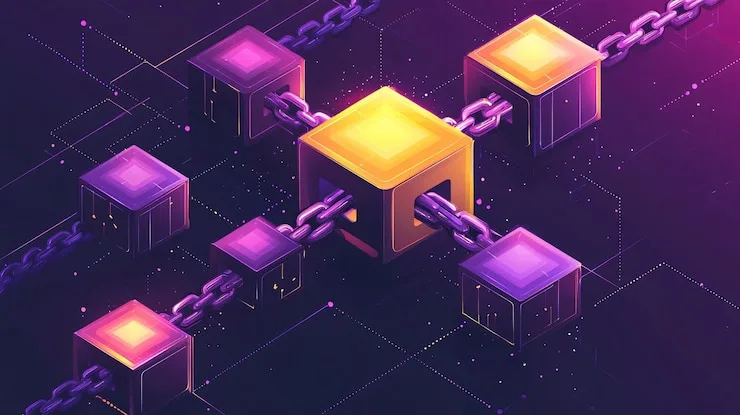
Blockchain acts as the backbone of decentralized artificial intelligence. It provides:
-
Immutable records
-
Transparent operations
-
Secure decentralized storage
-
Trust in multi-party participation
Smart contracts—self-executing programs stored on the blockchain—enable AI agents to operate automatically without human intervention.
Smart Contracts and Autonomous Operations
A smart contract ensures that:
-
Data exchanges are secure
-
AI models are updated fairly
-
Contributors are rewarded through tokens
-
No central party can manipulate results
This is the foundation of trust within decentralized AI ecosystems.
Distributed Data Storage and Privacy
Instead of storing sensitive data on a single server, DeAI uses:
-
IPFS (InterPlanetary File System)
-
Decentralized clouds
-
Peer-to-peer storage
This reduces risks such as:
-
Data theft
-
Unauthorized access
-
System failures
Users keep ownership of their data while still allowing models to learn collectively.
Federated Learning and Collaborative Training
Federated learning allows multiple devices to train a model locally and only share insights—not raw data. This enhances:
-
Privacy
-
Accuracy
-
Speed
-
Security
It’s one of the core components that enables DeAI to function efficiently across distributed networks.
Model Training Nodes
In a DeAI ecosystem, model training doesn’t happen on a single centralized server. Instead, multiple training nodes—which may include computers, mobile devices, or specialized machines—work together to train an AI model. Each node contributes computational power and insights derived from its local data. This collaborative setup results in:
-
Faster training through parallel processing
-
Reduced dependency on powerful centralized infrastructure
-
Improved accuracy because the model learns from diverse data sources
Training nodes operate independently but remain securely synchronized using blockchain and federated learning protocols.
Tokenomics and Incentive Layers
Token-based incentives are essential to motivating participation in decentralized networks. In a DeAI system:
-
Data providers earn tokens when they share anonymized insights
-
Developers receive rewards for contributing code
-
Validators maintain network integrity and earn staking rewards
-
Users pay fees in tokens to access AI services
This tokenomics model ensures fairness and encourages long-term ecosystem growth.
Governance Mechanisms
Governance ensures that DeAI networks remain democratic. Through decentralized autonomous organizations (DAOs), stakeholders vote on:
-
Model updates
-
Data usage rules
-
Network upgrades
-
Token distribution changes
This eliminates top-down corporate control and empowers the community to guide AI development.
Benefits of Decentralized AI (DeAI)
Understanding the advantages of DeAI helps beginners appreciate why it’s gaining momentum across industries.
Enhanced Transparency
All operations—training updates, data contributions, model changes—are recorded on a blockchain. This means:
-
No hidden algorithms
-
Clear visibility into decision-making
-
Reduced risk of manipulation
Transparency builds trust, especially in industries like healthcare, finance, and cybersecurity.
Reduced Bias in AI Models
Centralized AI models often reflect the biases of the organization that trained them. In contrast:
-
DeAI models are trained on global, diverse datasets
-
No single party dominates the training process
-
Open governance allows public audits
This significantly improves fairness, accuracy, and inclusiveness.
User-Owned Data Privacy
With decentralized data storage and federated learning, users maintain full control of their data. They choose:
-
What information to share
-
How insights are used
-
When to revoke access
This is a major leap forward from traditional AI systems where data is stored and monetized by corporations.
Global Collaboration Opportunities
DeAI allows participants from anywhere in the world to contribute:
-
Computing power
-
Data insights
-
Model improvements
This collaborative environment accelerates innovation and breaks down geographic barriers.
Challenges and Limitations of DeAI
Although promising, DeAI still faces several challenges that must be addressed for widespread adoption.
Scalability Restrictions
Blockchain-based operations can be slow when:
-
Network activity increases
-
Large datasets are processed
-
Complex smart contracts interact frequently
Improving scalability remains a top priority for DeAI developers.
Energy Consumption
Some decentralized systems require significant computational resources, which can lead to:
-
High energy usage
-
Increased carbon footprints
-
Cost challenges for participants
Transitioning to greener consensus models is crucial.
Technical Barriers for Adoption
Beginners may struggle with:
-
Blockchain fundamentals
-
Smart contract development
-
Model deployment on decentralized networks
However, new tools and simplified interfaces are quickly emerging to make DeAI more accessible.
Use Cases of DeAI in the Real World
DeAI isn’t just theoretical—it’s being adopted in multiple industries.
Healthcare and Secure Medical Data
Hospitals and research organizations can share encrypted insights to train medical AI models without exposing patient data. This improves:
-
Disease detection
-
Personalized treatments
-
Data privacy compliance
Finance and Risk Prediction
Financial institutions use DeAI to:
-
Detect fraud
-
Assess credit risks
-
Improve trading algorithms
Shared insights across banks create more accurate risk models.
Cybersecurity Systems
DeAI enhances security by:
-
Identifying threats through global data contributions
-
Automating incident response
-
Reducing centralized system vulnerabilities
Decentralized Autonomous Organizations (DAOs)
DAOs use DeAI agents to:
-
Automate governance
-
Analyze proposals
-
Optimize decision-making
This combines AI intelligence with decentralized power structures.
Popular DeAI Platforms and Tools
Several platforms are leading the decentralized AI movement.
OpenAI Decentralized Initiatives
OpenAI has explored decentralized models and collaborative research systems, contributing to the broader DeAI movement.
Fetch.ai
Fetch.ai offers:
-
Autonomous agent frameworks
-
Decentralized machine learning
-
AI-driven decentralized marketplaces
SingularityNET
SingularityNET enables developers to:
-
Publish AI models
-
Earn tokens
-
Collaborate on decentralized AI services
Ocean Protocol
Ocean Protocol provides decentralized data marketplaces where users can safely monetize anonymized data.
How Beginners Can Start Learning DeAI
DeAI can seem overwhelming, but beginners can progress quickly with the right approach.
Foundational Skills Required
Start by learning:
-
Basic AI and machine learning concepts
-
Blockchain fundamentals
-
Smart contract structures
-
Python programming basics
Learning Pathway for Non-Technical Users
Non-technical users can begin with:
-
Introductory DeAI courses
-
No-code blockchain tools
-
Beginner-friendly AI platforms
-
Community-driven workshops
Recommended Online Courses & Communities
Helpful resources include:
-
Coursera AI & Blockchain courses
-
MIT OpenCourseWare
-
DeAI research communities
-
Web3 forums and developer groups
(Example external link: https://www.coursera.org)
Future of Decentralized AI (DeAI)
The future of DeAI is promising and transformative.
Growth of Web3 and AI Intersections
As Web3 expands, new forms of collaboration between humans and AI will emerge.
Autonomous Intelligent Networks
Future networks may allow fully autonomous AI systems to:
-
Negotiate contracts
-
Create sub-models
-
Operate entire digital economies
Frequently Asked Questions
Conclusion
Decentralized AI (DeAI) represents a major shift in how artificial intelligence is built, trained, and deployed. By redistributing power, increasing transparency, and protecting user data, DeAI lays the foundation for a fairer and more open digital future. For beginners, this technology opens new opportunities to participate in AI innovation without relying on centralized corporations. As DeAI continues to evolve, its impact on industries and global collaboration will only grow stronger.

Discussion (0)